Freshwater crabs are fascinating and unique creatures that bring personality and movement to aquariums. With their climbing behavior, territorial instincts, and curious nature, a freshwater crab can be a rewarding choice for aquarists looking for something different from fish. Many species are sold as pet crab options and are commonly marketed as freshwater crabs for aquarium setups.
However, keeping aquarium crabs successfully requires understanding their special needs. Most freshwater crabs are semi-aquatic, meaning they need both water and land areas to thrive. In this freshwater crabs care guide with Aquarium Nerd, you’ll learn how to set up a tank properly, maintain water quality, feed your crab, and avoid common beginner mistakes.
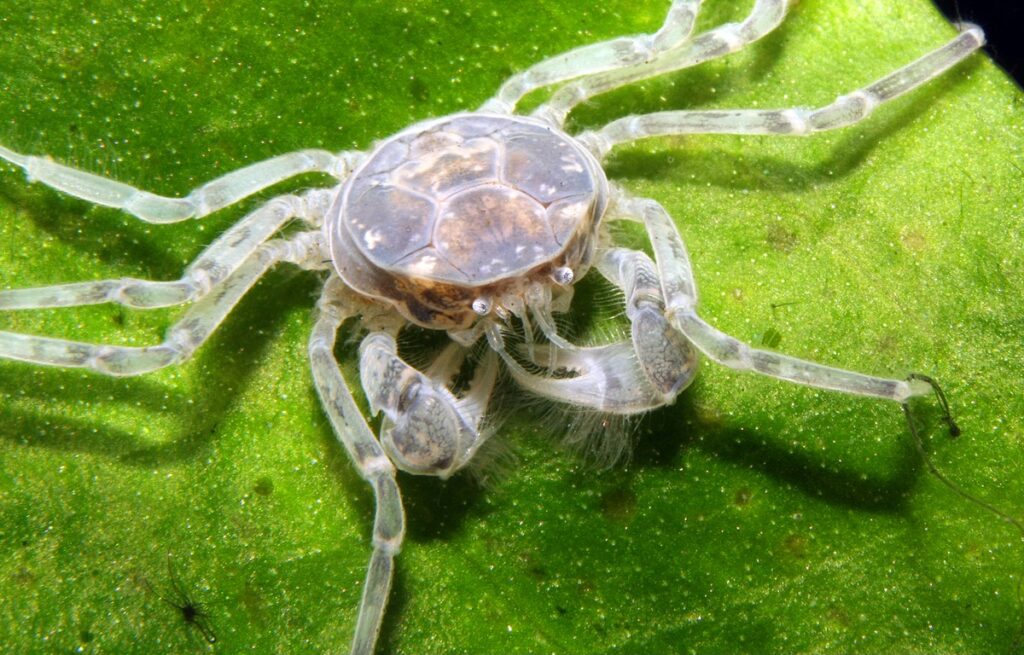
Freshwater Crabs Tank Set Up
Tank Size
A minimum 10-20 gallon tank is recommended for a single freshwater crab. Larger tanks are required if you plan to keep multiple aquarium crabs, as crabs are territorial and may fight in cramped spaces. More water volume also improves stability, which is crucial for long-term freshwater crab health.
For semi-aquatic species, ensure the tank includes both shallow water and dry land areas.
Lighting
Freshwater crabs do not require intense lighting. Low to moderate lighting is sufficient, especially if live plants are included. Crabs are often more active in dimmer environments, and excessive light can cause stress.
A simple LED aquarium light on an 8-10 hour schedule works well for most freshwater crabs for aquarium setups.
Filtration & Heater
- Filtration: A gentle but efficient filter is essential to keep water clean. Sponge filters or low-flow HOB filters are ideal for aquarium crabs.
- Heater: Most freshwater crabs thrive in warm, tropical temperatures. A heater is strongly recommended to maintain stable conditions.
Target temperature range: 72-80°F (22-27°C).
Substrate
A sand or fine gravel substrate is best for freshwater crabs. Crabs love to dig and burrow, and soft substrate prevents injuries. Many pet crab species also enjoy digging tunnels or rearranging their environment, so choose a substrate that allows natural behavior.
Freshwater Crabs Water Parameters, Maintenance
Water Parameters
Stable water conditions are critical for healthy freshwater crabs. Ideal parameters include:
- Temperature: 72-80°F (22-27°C)
- pH: 7.0-8.0
- GH: 6-12 dGH
- KH: 4-8 dKH
- Ammonia & Nitrite: 0 ppm
- Nitrate: < 20 ppm
Always use dechlorinated water. Poor water quality is one of the most common causes of death in freshwater crabs for aquarium tanks.
Maintenance
- Perform 20-30% weekly water changes
- Remove leftover food promptly
- Clean filter media monthly using tank water
- Check land areas for mold or decay
Regular maintenance reduces stress and supports molting, which is essential for every freshwater crab.
Plants, Hideouts, and Decorations
Aquatic Plants For Freshwater Crabs
Live plants improve water quality and provide cover, but keep in mind that crabs may uproot or eat them. Hardy plant choices include:
- Java Fern
- Anubias
- Hornwort
- Vallisneria
Floating plants also help diffuse light and make aquarium crabs feel more secure.
Freshwater Crabs Hideouts and Caves
Hiding spaces are absolutely essential. Crabs need secure places to rest and molt safely. Provide:
- Rock caves
- Driftwood
- PVC pipes
- Coconut shells
During molting, a freshwater crab is extremely vulnerable. Without hiding spots, stress and cannibalism can occur.
Freshwater Crabs Foods, Feeding & Nutrition
What Do Freshwater Crabs Eat?
Freshwater crabs are omnivores and scavengers. A balanced diet includes:
- Sinking crab or shrimp pellets
- Algae wafers
- Blanched vegetables (zucchini, spinach)
- Protein treats (bloodworms, shrimp, fish)
- Calcium sources (cuttlebone or mineral blocks)
A varied diet supports healthy growth and successful molting in pet crab species.
Freshwater Crabs Feeding Schedule
Feed freshwater crabs once per day, preferably in the evening when they are most active. Juveniles may need smaller, more frequent feedings.
Freshwater Crabs Feeding Tips
- Remove uneaten food after a few hours
- Do not overfeed – excess food pollutes water
- Always provide calcium to prevent shell deformities
- Observe feeding behavior to ensure your freshwater crab is eating well
Freshwater Crabs Tank Mates
Most freshwater crabs for aquarium setups should be species-only tanks. Crabs are opportunistic and may attack slow or sleeping fish.
Possible Freshwater Crabs tank mates (with caution):
- Fast, surface-dwelling fish
- Snails (may still be hunted)
Avoid keeping aquarium crabs with shrimp, bottom-dwelling fish, or other crabs unless the tank is very large and heavily structured.
Freshwater Crabs Frequently Asked Questions (FAQ)
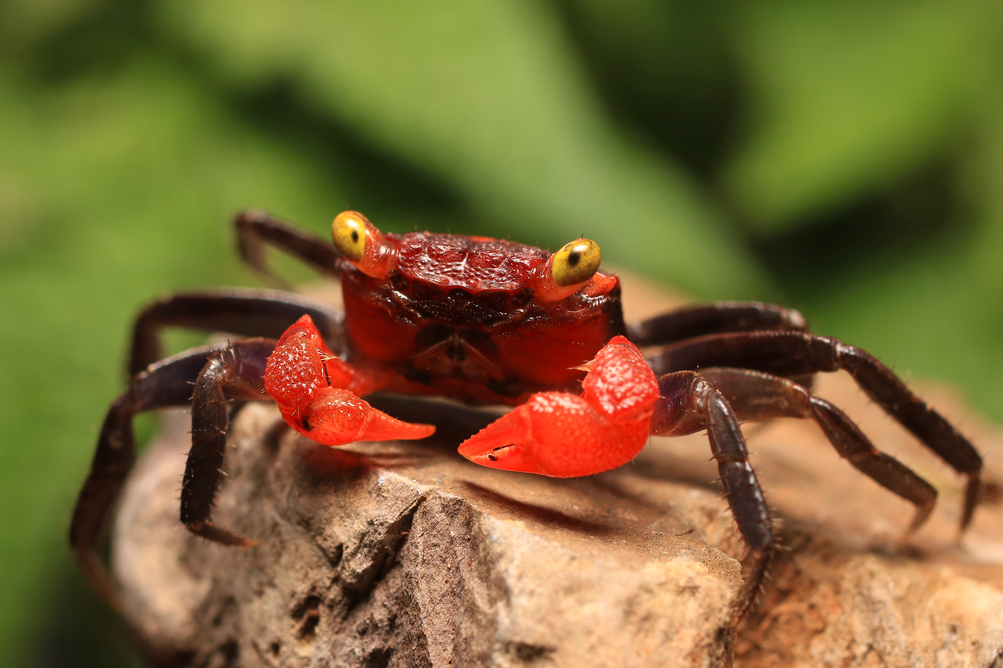
How Big Do Freshwater Crabs Get?
Most freshwater crabs grow between 2-4 inches (5-10 cm), depending on species. Some larger freshwater crabs can exceed this size and require more space.
What Do Freshwater Crabs Eat?
Freshwater crabs eat a mix of plant and animal matter. In aquariums, they thrive on pellets, vegetables, algae, and occasional protein. A varied diet is key to healthy molting and long-term survival.
How Long Do Freshwater Crabs Live?
The average lifespan of a freshwater crab is 2-4 years. With excellent care, stable water parameters, and proper nutrition, some pet crab species may live even longer.
Conclusion
Freshwater crabs are captivating aquarium crabs that offer a unique alternative to traditional fish tanks. With the right setup – including land access, clean water, hiding spaces, and proper nutrition – a freshwater crab can thrive and display fascinating natural behaviors.By following this Freshwater Crabs Care Guide, you’ll create a safe and enriching environment for your pet crab, ensuring a healthy, stress-free life in your freshwater crabs for aquarium setup.