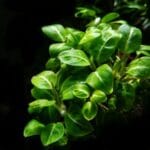
Anubias aquarium plants are some of the best freshwater aquarium plants for beginners, low-tech planted tanks, shrimp tanks, betta tanks, and community aquariums. Known for their thick green leaves, slow growth, and hardy nature, Anubias plants can thrive in a wide range of aquarium conditions with very little maintenance. This makes it one of the most popular aquarium plants for aquarists who want a beautiful planted tank without complicated care. In this Anubias plant care guide, Aquarium Nerd will help you understand how to grow, place, maintain, and propagate Anubias successfully.
Anubias Plants Overview
Origin
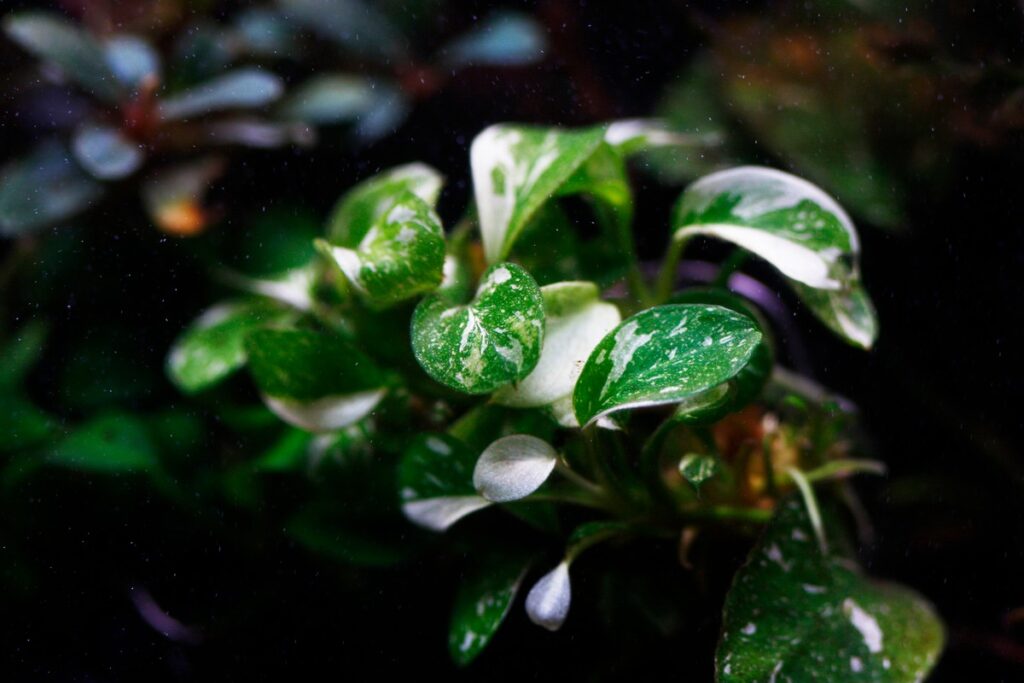
Anubias plants are native to tropical regions of West and Central Africa, where they are often found growing along rivers, streams, shaded forest banks, and wetland areas. In nature, Anubias may grow partially submerged or fully submerged depending on water levels and seasonal changes.
This natural environment explains why Anubias does well in aquariums with moderate to low lighting. In the wild, these plants often grow under tree cover or near shaded riverbanks, so they are adapted to indirect light rather than intense direct sunlight. Their thick leaves also help them tolerate changing water conditions, making them one of the most durable freshwater aquarium plants available.
Benefits
Anubias plants offer many benefits for freshwater aquariums. Their broad leaves create a natural look while also providing resting spots, hiding places, and grazing surfaces for fish, shrimp, and snails. Betta fish, for example, often rest on Anubias leaves near the surface, while shrimp and snails graze on biofilm that grows naturally on the leaves and roots.
Anubias also helps improve the overall aquarium environment. Like other live aquarium plants, it absorbs nutrients from the water column and contributes to a more balanced ecosystem. Although Anubias grows slowly and does not remove nutrients as quickly as fast-growing plants, it still supports water quality when combined with proper filtration and regular maintenance.
Another major benefit is its resistance to damage. Many fish that nibble on softer plants tend to leave Anubias alone because the leaves are thick and firm. This makes Anubias a good choice for aquariums with active community fish or species that may disturb delicate plants.
Popular Anubias Types
There are several popular Anubias types for freshwater aquariums. Most varieties have similar care requirements, but they differ in size, leaf shape, and aquascaping use:
- Anubias barteri: A larger and very hardy Anubias variety with broad green leaves. It works well as a midground or background plant in medium to large freshwater aquariums.
- Anubias nana: One of the most popular Anubias aquarium plants for beginners. It has compact growth, strong leaves, and fits well in betta tanks, shrimp tanks, and community aquariums.
- Anubias nana petite: A miniature Anubias type with small leaves, perfect for nano tanks, foreground placement, and detailed aquascapes.
- Anubias coffeefolia: Known for its textured, slightly wavy leaves. New leaves may appear lighter or bronze before turning deep green, adding more visual interest to the tank.
- Anubias congensis: A taller Anubias variety with longer leaves, making it suitable for midground or background placement in larger aquariums.
Care Requirements
Plant Placement
Since Anubias has a rhizome, it should not be buried completely in the substrate. If the rhizome is covered by gravel, sand, or soil, it may begin to rot, causing the plant to lose leaves or die. The best way to place Anubias is to attach it to hardscape. You can tie the plant to driftwood or rocks using cotton thread, fishing line, or aquarium-safe plant glue. Over time, the roots will naturally grip the surface and anchor the plant in place.
Anubias can be used in several areas of the aquarium, depending on the variety:
- Smaller types like Anubias nana petite work well in the foreground.
- Medium types like Anubias nana are great for the midground.
- Larger types like Anubias barteri or Anubias congensis can be used in the midground or background.
Lighting
Low to moderate lighting is usually best. A lighting period of 6 to 8 hours per day works well for most Anubias aquarium plants. If algae begins growing on the leaves, reduce the lighting duration, move the plant to a shaded area, or add more fast-growing plants to help absorb excess nutrients.
Water Parameters
Anubias plants are very adaptable and can tolerate a wide range of freshwater aquarium conditions, from community tank to shrimp tank. They do best in stable water rather than constantly changing parameters.
Recommended water parameters for Anubias aquarium plants:
- Temperature: 72°F to 82°F
- pH: 6.0 to 7.8
- Water hardness: Soft to moderately hard water
- Lighting: Low to moderate
- CO2: Not required
- Growth rate: Slow
- Care level: Easy
Fertilization
Anubias does not need heavy fertilization, but it can benefit from a balanced liquid aquarium plant fertilizer. Since Anubias often grows attached to wood or rock, it mainly absorbs nutrients through the water column rather than through buried roots.
Propagation and Maintenance
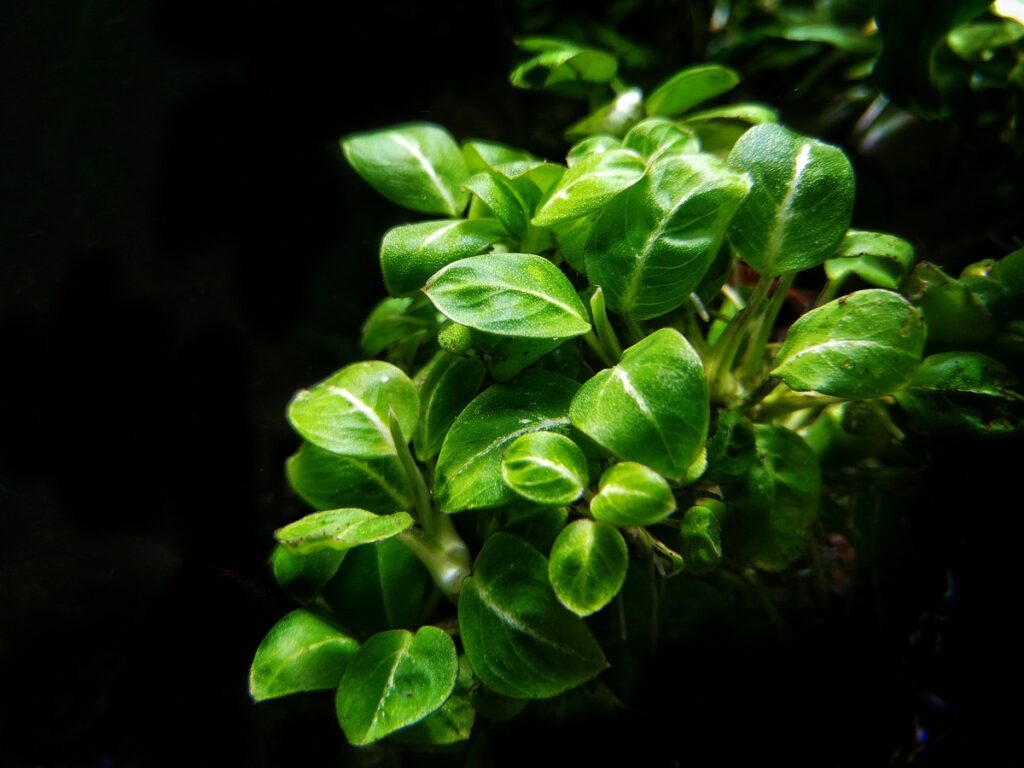
Anubias propagation is simple and beginner-friendly. The easiest way to propagate Anubias plants is by dividing the rhizome. Once the plant has grown several healthy leaves and a long rhizome, you can cut it into smaller sections using clean scissors or aquascaping tools.
Each new section should have at least a few leaves and some roots. After cutting, attach the new rhizome section to driftwood, rock, or another hardscape surface. With time, each piece will continue growing into a separate Anubias plant.
Maintenance is minimal because Anubias grows slowly. You do not need to trim it often. Instead, focus on removing old, damaged, or algae-covered leaves. If a leaf turns yellow, melts, or becomes heavily covered in algae, cut it close to the rhizome with clean scissors.
To keep Anubias healthy, follow these simple maintenance tips:
- Keep the rhizome above the substrate.
- Avoid intense lighting.
- Maintain stable water parameters.
- Add liquid fertilizer when needed.
- Remove damaged leaves.
- Provide gentle water flow.
- Control algae by balancing light and nutrients.
Conclusion
Anubias aquarium plants are some of the easiest and most reliable freshwater aquarium plants for beginners. Their hardy nature, low light tolerance, slow growth, and flexible placement make them perfect for low-tech planted tanks, shrimp tanks, betta aquariums, community tanks, and aquascapes.
The key to successful Anubias plant care is simple: do not bury the rhizome, provide low to moderate lighting, maintain stable water parameters, and avoid excessive fertilizer or light that can trigger algae growth. With the right care, Anubias can live for years and continue adding natural beauty to your aquarium.
FAQs
Are Anubias plants good for beginners?
Yes, Anubias plants are excellent for beginners because they are hardy, low-maintenance, and adaptable to many freshwater aquarium conditions. They do not require CO2 injection, strong lighting, or nutrient-rich substrate. Anubias can grow in low-tech aquariums and is easy to attach to driftwood, rocks, or decorations.
Can Anubias plants grow in low light?
Yes, Anubias plants can grow in low light, which is one reason they are so popular in beginner planted tanks. They naturally grow slowly and do not need intense lighting to survive. Low to moderate aquarium lighting is usually best for Anubias.
How big do Anubias plants get in aquarium tank?
The size of Anubias plants depends on the variety. Small types like Anubias nana petite may stay around 1 to 3 inches tall, making them ideal for nano tanks and foreground placement. Medium types like Anubias nana can grow around 3 to 6 inches tall. Larger varieties like Anubias barteri, Anubias congensis, and Anubias afzelii can grow much bigger and may reach 8 to 16 inches or more in the right aquarium setup.