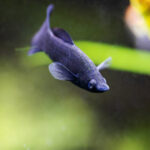
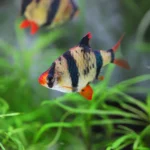
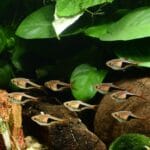
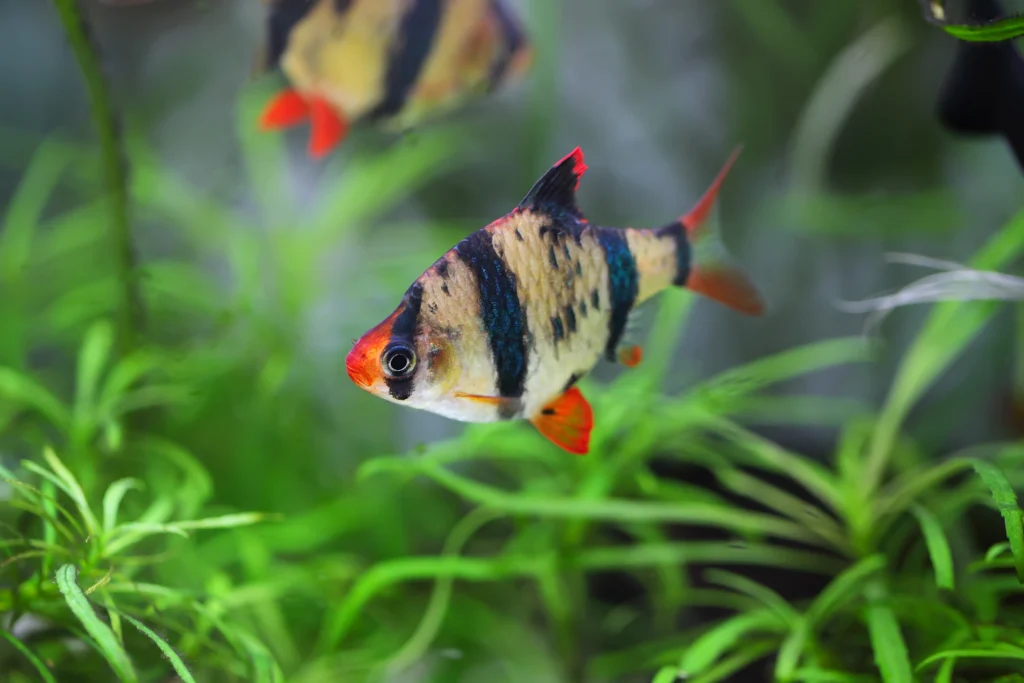
Barb Fish are some of the most energetic and eye-catching freshwater fish you can add to your aquarium. Known for their schooling behavior, bold colors, and active swimming, Barbs Fish bring life and movement to any tank. Popular species like the tiger barb are especially loved for their striking stripes and playful personalities.
There are many Barb Fish types, including cherry barbs, gold barbs, and rosy barbs, each offering unique colors and temperaments. While they are generally hardy and beginner-friendly, proper Barb Fish care is essential to keep them healthy, reduce aggression, and encourage natural schooling behavior.
In this complete guide, you’ll learn how to set up the perfect tank, maintain water quality, feed your barbs properly, and choose compatible tank mates.
Barb Fish Tank Set Up
Tank Size
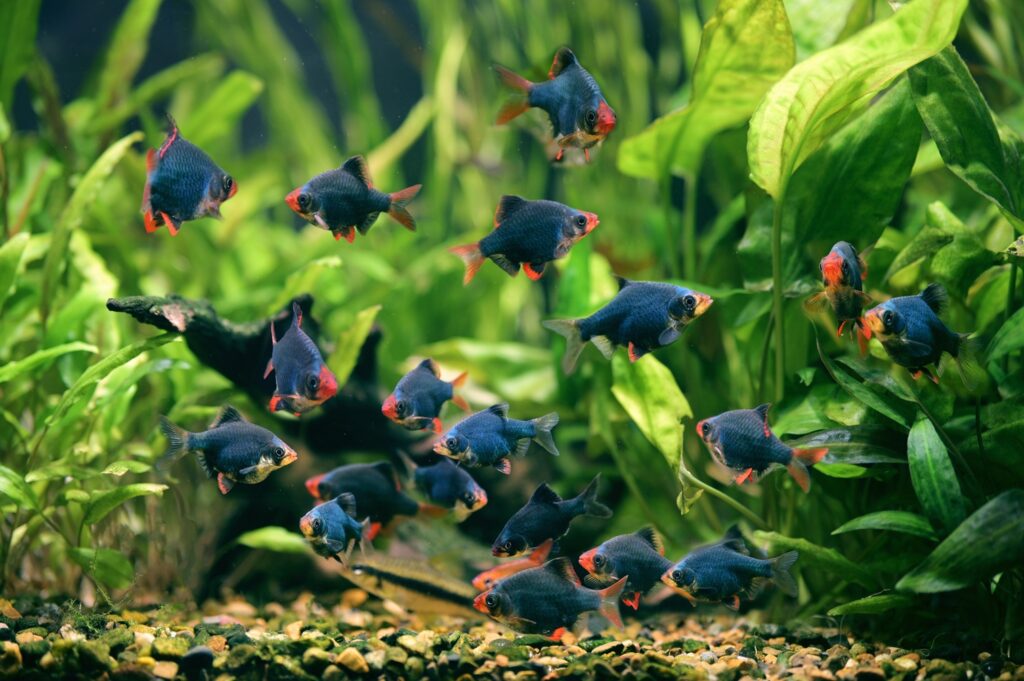
Barb Fish are active swimmers and need space to thrive. A minimum 20-gallon tank is recommended for a small group of barbs. Since Barbs Fish are schooling species, they should be kept in groups of at least 6-8 individuals.
For more active species like the tiger barb, a 30-gallon tank or larger is ideal. Larger tanks reduce aggression and allow these freshwater fish to display natural schooling behavior.
Lighting
Barb Fish prefer moderate lighting, which helps highlight their vibrant colors while supporting plant growth. Too much light can cause stress, while too little light may dull their appearance.
Using LED lighting for 6-8 hours daily creates a balanced environment for both fish and plants in your Barb Fish care setup.
Filtration & Heater
- Filtration: A good filter is essential, as Barbs Fish are active and produce waste. A hang-on-back (HOB) or canister filter works well.
- Heater: Maintain stable water temperatures between 74-79°F (23-26°C).
Stable conditions are critical for proper Barb Fish care and long-term health.
Substrate
A fine gravel or sand substrate works best for Barb Fish tanks. Dark-colored substrate enhances the colors of species like the tiger barb and creates a more natural appearance.
Adding smooth rocks and driftwood complements the substrate and provides structure to the tank.
Barb Fish Water Parameters, Maintenance
Water Parameters
Maintaining stable water conditions is key for healthy freshwater fish. Ideal parameters for most Barb Fish types include:
- Temperature: 74-79°F (23-26°C)
- pH: 6.0-7.5
- GH: 5-12 dGH
- Ammonia & Nitrite: 0 ppm
- Nitrate: < 20 ppm
Barbs are relatively hardy, but sudden changes can stress them and lead to disease.
Maintenance
Routine care ensures long-term success with Barbs Fish:
- Perform 20-30% weekly water changes
- Vacuum substrate to remove waste
- Clean filter media monthly in tank water
- Monitor water parameters regularly
Consistent maintenance supports a longer lifespan and reduces aggression among Barb Fish.
Plants, Hideouts, and Decorations
Aquatic Plants For Barb Fish
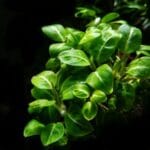
Live plants are highly recommended for Barb Fish care. They improve water quality and provide shelter. Good plant choices include:
- Java Fern
- Anubias
- Vallisneria
- Hornwort
- Water Wisteria
These hardy plants thrive alongside freshwater fish and help create a natural environment for Barbs Fish.
Barb Fish Hideouts and Caves
While Barb Fish are active, they still need hiding spots to reduce stress. Add:
- Driftwood
- Rock caves
- Dense plant areas
- Floating plants for shade
Providing structure helps reduce aggression, especially in more active species like the tiger barb.
Barb Fish Foods, Feeding & Nutrition
What Do Barb Fish Eat?
Barb Fish are omnivores and require a varied diet. A balanced feeding plan includes:
- High-quality flakes or pellets
- Frozen foods (bloodworms, brine shrimp, daphnia)
- Occasional plant-based foods
A varied diet enhances color, supports growth, and improves overall Barb Fish care results.
Barb Fish Feeding Schedule
Feed Barbs Fish 1-2 times daily, offering only what they can eat within 2-3 minutes. Overfeeding can lead to poor water quality and health issues.
Barb Fish Feeding Tips
- Rotate different food types for balanced nutrition
- Include protein-rich foods for active species
- Avoid overfeeding to maintain clean water
- Observe feeding behavior to ensure all fish are eating
Proper feeding is essential for maintaining vibrant, active freshwater fish.
Barb Fish Tank Mates
Barb Fish are semi-aggressive and should be paired carefully. Suitable tank mates include:
- Tetras (fast-moving species)
- Rasboras
- Danios
- Corydoras Catfish
Avoid:
- Slow fish with long fins (like Bettas or Angelfish)
- Aggressive cichlids
Keeping barbs in larger groups reduces aggression and improves compatibility with other freshwater fish.
See more: Care Guide For Cory Catfish
Barb Fish Frequently Asked Questions (FAQ)
How Long Do Barb Fish Live?
The average lifespan of Barb Fish is 5-7 years, depending on species and care. With proper Barb Fish care, stable water conditions, and a balanced diet, some species can live even longer.
Are Barb Fish Aggressive?
Yes, some Barb Fish like Tiger Barb can be semi-aggressive, especially in small groups. Keeping them in groups of 6 or more helps reduce aggression.
How To Breed Barb Fish?
Breeding Barb Fish requires a separate breeding tank. Provide soft, slightly acidic water and fine-leaf plants or spawning mops.
Steps include:
- Condition fish with high-protein foods
- Introduce breeding pair or group
- Remove adults after spawning to protect eggs
Eggs typically hatch within 24-48 hours, making breeding one of the more rewarding aspects of keeping freshwater fish.
Conclusion
Barb Fish are active, colorful, and rewarding freshwater fish that bring energy to any aquarium. With many Barb Fish types available – including the popular tiger barb – there’s a perfect species for every aquarist.
By following proper Barb Fish care practices – including providing enough space, stable water conditions, a balanced diet, and compatible tank mates – your Barbs Fish will thrive and display their natural behavior.
With the right setup and care, these lively fish will provide years of enjoyment, movement, and vibrant color in your aquarium.