Among all freshwater fish, few can rival the stunning colors and elegance of the Peacock Cichlid (Aulonocara spp.). Native to Lake Malawi in Africa, these vibrant fish are admired for their bold patterns, active swimming, and surprisingly peaceful nature compared to other cichlids.
If you’re looking to create a colorful and lively aquarium, Peacocks are an excellent choice – but they do require specific care. In this Peacock Cichlid fish care guide, Aquarium Nerd covers everything from tank setup and diet to water maintenance and breeding tips to help your fish thrive.

Peacock Cichlid Fish Tank Set Up
Tank Size
Peacock Cichlids are medium-sized freshwater fish that need room to swim and establish territory. A minimum 55-gallon tank is recommended for a small group (one male and 3-4 females). For larger communities or mixed African cichlid setups, go for 75 gallons or more.
More space reduces aggression and provides better water stability – both essential for proper Peacock Cichlid care.
Lighting
Moderate lighting works best for peacock fish. Strong light can stress them or encourage algae, but balanced LED lighting brings out their iridescent blues, reds, and yellows beautifully. Adjustable LEDs are ideal if your tank has plants or rocks that benefit from light diffusion.
Filtration & Heater
Because Peacocks come from the pristine waters of Lake Malawi, clean and stable water conditions are crucial.
- Filtration: Use a canister or hang-on-back filter with excellent biological capacity.
- Heater: Maintain water temperature between 76-82°F (24-28°C).
- Aeration: Add an air stone for optimal oxygen levels – Peacocks are active swimmers and need well-oxygenated water.
Consistent temperature and clean water are the foundation of good Peacock Cichlid care.
Substrate
Peacock Cichlids prefer sandy or fine gravel substrates that mimic their natural lake beds. Sand allows them to sift through particles, which is a natural behavior. A light-colored substrate also helps reflect their brilliant colors and creates a stunning display.
Peacock Cichlid Fish Water Parameters, Maintenance
Water Parameters
Peacocks thrive in stable, alkaline water conditions similar to Lake Malawi.
- Temperature: 76-82°F (24-28°C)
- pH: 7.8-8.6
- Hardness (GH): 10-20 dGH
- Carbonate Hardness (KH): 8-12 dKH
- Ammonia & Nitrite: 0 ppm
- Nitrate: < 25 ppm
Regular testing ensures a stable environment for long-term Peacock Cichlid care. Clean, oxygen-rich water supports both their color and overall health.
Maintenance
- Perform 25-30% water changes weekly to control waste buildup.
- Clean filter media monthly with tank water (avoid using tap water).
- Vacuum the substrate gently to remove debris without disturbing your fish.
- Keep a consistent maintenance routine to extend your Peacock Cichlid’s lifespan, which can reach 6-10 years under proper care.
Plants, Hideouts, and Decorations
Aquatic Plants For Peacock Cichlid Fish
While Peacocks may occasionally dig, they can coexist with hardy plants that tolerate alkaline water. The best plants for peacock fish include:
- Anubias: Tough, broad-leaved plant that attaches to rocks and driftwood.
- Vallisneria: Tall grass-like plant that provides vertical coverage.
- Java Fern: Hardy plant that grows on surfaces and resists uprooting.
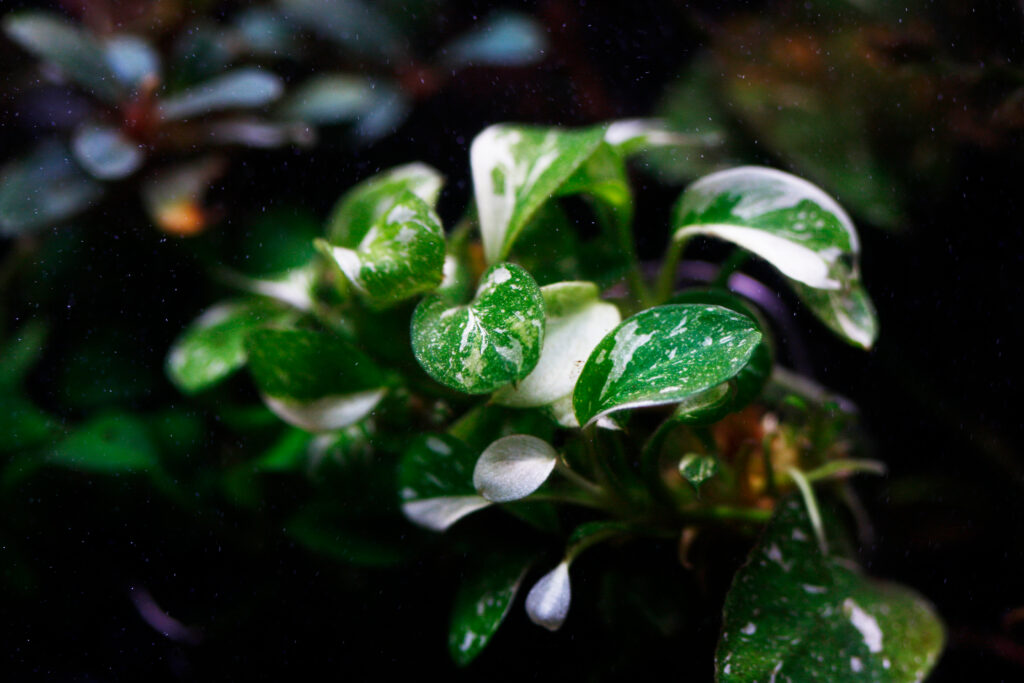
These plants create natural shade and reduce stress, improving the overall environment for freshwater fish like Peacocks.
Peacock Cichlid Fish Hideouts and Caves
Peacocks appreciate rocky structures that resemble their native Lake Malawi. Add caves, stacked rocks, and driftwood to give them territories and spawning areas.
Multiple hiding spots help reduce aggression between males and give females safe areas during breeding. Avoid sharp decorations that could injure their delicate fins.
Peacock Cichlid Fish Foods, Feeding & Nutrition
What Do Peacock Cichlid Fish Eat?
Peacock Cichlids are omnivorous but lean toward a protein-rich diet. To maintain their vivid coloration and health, feed them a mix of:
- High-quality cichlid pellets or flakes (formulated for African cichlids).
- Frozen foods: Bloodworms, brine shrimp, and krill.
- Vegetable supplements: Spirulina flakes or blanched spinach to prevent digestive issues.
A diverse diet ensures balanced Peacock Cichlid care and promotes bright coloration and longevity.
Feeding Schedule
Feed 2-3 small meals per day rather than one large portion. Only provide what they can consume in 2-3 minutes. Overfeeding can lead to bloating or poor water quality – two common issues with freshwater fish.
Feeding Tips
- Alternate between pellet and frozen food for variety.
- Avoid high-fat or meaty foods like beef heart, which can cause digestive problems.
- Remove uneaten food promptly to prevent ammonia buildup.
- For best color enhancement, include spirulina or krill-based foods regularly.
Proper feeding is one of the cornerstones of successful Peacock Cichlid care.
Peacock Cichlid Fish Frequently Asked Questions (FAQ)
Are Peacock Cichlid Fish Aggressive?
Peacocks are among the most peaceful African cichlids, but mild territorial behavior is normal – especially among males. Keeping one male with multiple females reduces aggression. Providing caves and hiding spaces helps create harmony in community setups.
How Big Do Peacock Cichlid Get?
Adult Peacock Cichlid fish typically grow between 4-6 inches (10-15 cm), with some males reaching up to 7 inches. Their size depends on genetics, water quality, and diet. Proper tank size and balanced nutrition are essential for healthy growth and longevity.
Are Peacock Cichlids Easy To Breed?
Yes, with proper Peacock Cichlid care, breeding can be straightforward. Peacocks are mouthbrooders – females carry fertilized eggs in their mouths for 3-4 weeks before releasing the fry. Provide flat rocks for spawning and plenty of hiding spots for fry survival.
Conclusion
Peacock Cichlids are stunning, active, and relatively peaceful freshwater fish that make a bold statement in any aquarium. With the right Peacock Cichlid fish care guide, you can provide the warm, clean water and balanced diet they need to thrive.By following proper Peacock Cichlid care – including maintaining water stability, offering hiding spots, and feeding nutritious foods – your peacock fish can live a long, healthy, and colorful life, becoming the pride of your aquarium.