Besides fish such as Betta, Tetra,… or shrimp like Neocaridina, Caridina,… you can make another choice for Freshwater Snail, such as Nerite Snails. Maybe you think snails are difficult to keep thriving well, but we want to make sure that for you, it will be the best species easy to care for at this Care Guide For Nertie Snails blog.
1. Nerite Snails Tank Set Up

Tank Size
A 5-gallon tank is also fine for a small group that you just want to keep only Nerite Snails in your tank, but if you want them to have more tankmates we recommend a 10-gallon tank for all of them. Nerite Snails don’t need too much space, larger tanks provide more surface area for algae to grow, which means more natural food for them.
Lighting
Normally, Nerite Snails don’t need too much lighting but low to moderate LED lighting (6–8 hours per day) is great. The species that need lighting are Algae, which Nerite Snails feed on. But please caution that avoiding too much light because it can make algae bloom uncontrollably that will affect your tank’s health.
Filtration & Heater
A gentle hang-on-back (HOB) filter or sponge filter is great. Nerite Snails are sensitive to poor water quality, so using a filter that keeps the water clean will make your snails feel comfortable.
Nerite Snails thrive in 72 – 78°F (22 – 26°C). If your room temperature fluctuates a lot, use a reliable heater to maintain stable conditions. Avoid sudden temperature drops – they can stress or kill your snails.
Substrate
Nerite Snails don’t have a burrowing habit, so they are fine with any type of substrate. However, a dark-colored sand or gravel will enhance their beautiful shell patterns. Since they don’t consume the substrate or dig, you can prioritize aesthetics and plant compatibility. Make sure the substrate and decorations don’t have sharp edges that might damage their soft body.
2. Nerite Snails Water Parameters, Maintenance
Water Parameters
- Temperature: 72 – 78°F (22 – 26°C)
- pH Level: Between 7.0 – 8.5
- Water Hardness (GH): 6 – 12 dGH
- Carbonate Hardness (KH): 3 – 12 dKH
- Ammonia & Nitrite: Always 0 ppm. Nerite Snails are highly sensitive to these.
- Nitrate: 200 – 400 ppm
Maintenance
Weekly:
- Change 10–20% of tank water weekly to maintain water quality.
- Use a reliable water conditioner to neutralize chlorine, chloramine, and heavy metals.
- If you have a vacuum, please use it to remove decaying plant matter, algae debris, and excess food.
- Wipe down glass or decorations if you see hard white Nerite eggs (optional, as they won’t hatch in freshwater).
Monthly:
- Clean your sponge filter, filter media,… please don’t use tap water cause it kills beneficial bacteria.
- Test your water parameters to make sure everything is still in range.
- Inspect snails for shell damage, discoloration, or inactivity — signs of poor water quality or mineral deficiency.
General Tips:
- Don’t overfeed.
- Check for escape attempts. Nerite Snails often climb out — make sure your tank has a secure lid.
- Supplement their diet if algae levels are low, especially in newer or very clean tanks.
3. Plants, Hideouts, and Decorations
Now we have to create a natural habitat for our snails to keep them happy and thrive well in that. Choosing aquatic plants, hideouts and decorations correctly is an important part of creating a habitat.
Aquatic Plants For Nerite Snails
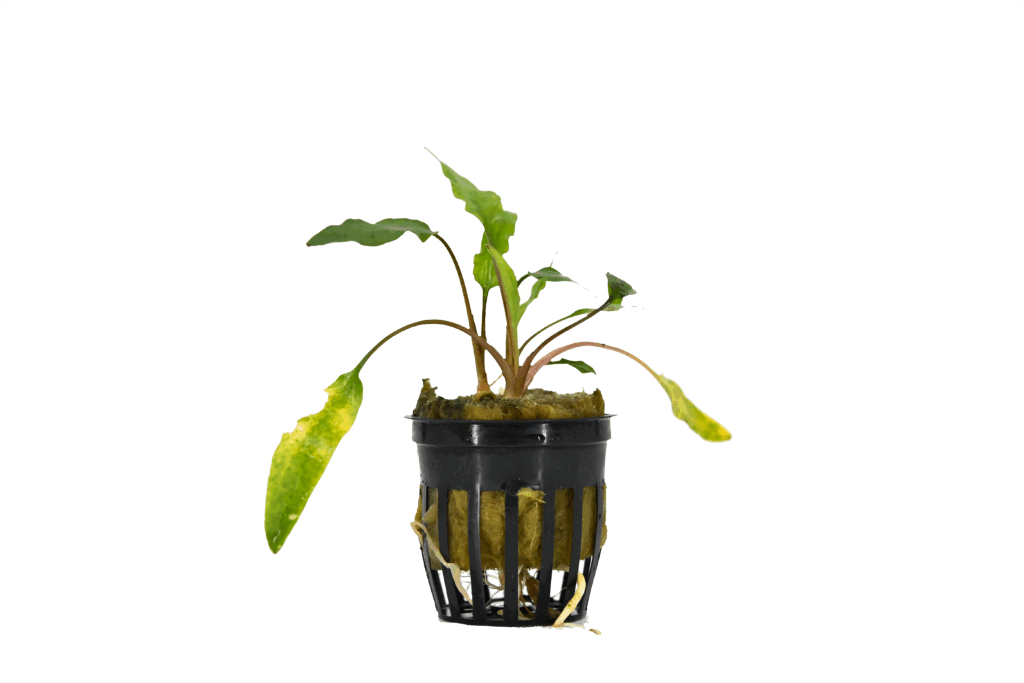
Aquatic plants not only enhance your aquarium’s beauty but also provide important benefits for Nerite Snails. Here are some recommended aquatic plants:
- Java Fern: Leaves collect a lot of biofilm and algae over time. Tough and hardy; thrives in low to moderate light.
- Anubias Plants: Snails love grazing on them, and they won’t damage the plant.
- Vallisneria Plants: Grass-like, fast-growing plant that offers vertical coverage. Also helps limit algae on glass by outcompeting nutrients.
- Marimo Moss Ball: Nerite Snails often sit on and roll them while eating algae. Natural algae absorber that also adds a soft, unique texture to the tank.
- Cryptocoryne: Offers hiding places and leaf surfaces for snails.
Nerite Snails Hideouts and Caves
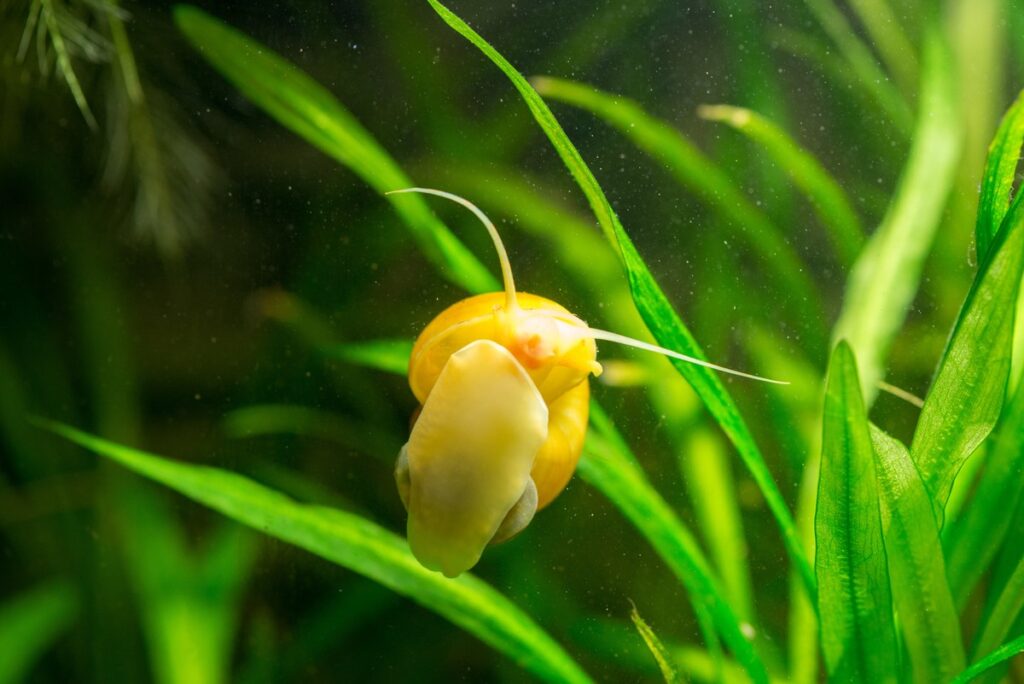
While Nerite Snails aren’t shy creatures, they do appreciate having hiding spots and sheltered areas in the aquarium, especially during rest or when adjusting to a new environment:
- Driftwood (Cholla Wood, Spider Wood): Natural-looking and promotes biofilm and algae growth. Easy for snails to crawl over and rest beneath.
- Rock Caves: Use smooth aquarium stones or rock piles to build mini-caves.
- Plant Coverage: Dense plants like Java Fern, Anubias, or Cryptocoryne offer shaded zones. Floating plants like frogbit or water lettuce create dappled lighting that mimics natural habitats.
4. Nerite Snails Foods, Feeding & Nutrition
Nerite Snails are some of the best algae eaters in the aquarium hobby. Their diet is simple but essential for keeping them active, healthy, and maintaining strong shell growth. While they naturally feed on algae and biofilm, they still need occasional supplements.
What Do Nerite Snails Eat
Nerite Snails are herbivores that graze all day on organic matter like:
- Soft green algae and diatoms: Their favorite and most natural food source.
- Biofilm: Forms naturally on plants, rocks, driftwood, and decorations.
- Blanched vegetables: Zucchini, spinach, cucumber (lightly boiled and cooled).
- Algae wafers: A reliable supplemental food, especially in low-algae tanks.
- Calcium-rich supplements: Optional, but it will improve the strong shell of your snails.
Feeding Schedule
- Feed 2 – 3 times per week, or when visible algae/biofilm is low.
- Remove uneaten food within 4 – 6 hours to avoid fouling the water.
- Monitor your snail’s activity and shell health if they seem inactive or shells look dull, supplement more frequently.
Feeding Tips
- Avoid overfeeding. Too much supplemental food can cause ammonia spikes and harm water quality.
- Place algae wafers or veggies near shaded areas or driftwood where Nerites feel safe while feeding.
- If algae are completely gone, consider rotating their diet with blanched veggies and commercial snail foods.
5. Nerite Snails Beginner’s Common Mistakes
Using Soft or Acidic Water
Nerite Snails need moderately hard, alkaline water to keep their shells strong. Soft or acidic conditions (low pH, low GH) can cause their shells to erode, crack, or develop white patches.
Forgetting a Tank Lid
These snails are known escape artists and often climb out of the tank, especially at night or when water parameters are unstable.
Assuming They’ll Eat All Types of Algae
Nerite Snails are great algae cleaners but they won’t eat every type of algae. For example, they typically ignore black beard algae or hair algae.
Keeping Them with Aggressive Fish
Fish like Cichlids, Loaches, or large Goldfish may nip at or harass Nerite Snails, causing stress or injury.
Conclusion
Whether you’re a beginner looking for an easy first invertebrate or an experienced aquarist wanting to control algae the natural way, Nerite Snails are a fantastic choice. Just remember: healthy water, a little extra calcium, and the occasional algae wafer go a long way toward keeping your snails active and happy.