What is Giant Betta Fish?
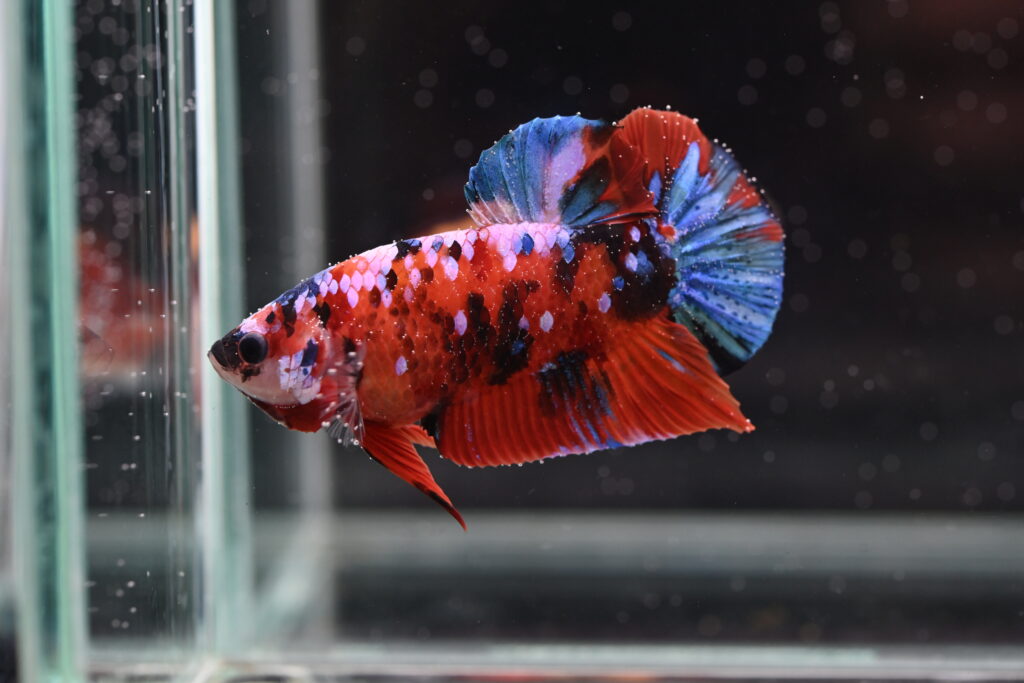
The Giant Betta Fish (Betta splendens – Giant strain) is a selectively bred variant of the traditional betta, developed for its significantly larger body and stronger build. Unlike standard bettas, which usually reach 2.5-3 inches, the giant betta fish size can grow up to 5-7 inches, making it one of the most impressive freshwater fish for home aquariums.
These fish retain the same bold personality, vibrant colors, and territorial instincts as regular bettas, but require more space, stronger filtration, and more structured giant betta fish care. Their increased size also means they produce more waste and require better water quality management.
Because of their unique size and appearance, Giant Bettas are highly sought after by hobbyists looking for a centerpiece fish with personality and presence.
Giant Betta Fish Type
There are several types of giant betta fish, categorized based on fin shape and color patterns. Popular varieties include:
- Giant Halfmoon Betta – Features a 180° tail spread with dramatic fins
- Giant Plakat Betta – Short fins, strong swimmers, often more active
- Giant Dumbo Betta – Large pectoral fins resembling elephant ears
- Giant Koi Betta – Multi-colored marble pattern with unique genetics
Each type shares similar care requirements, but Plakat varieties are generally more active, while Halfmoons require calmer water due to their longer fins. Regardless of type, all require proper giant betta fish care to maintain their health and color.
Difference Between Giant Betta and Betta Fish
The main difference between a Giant Betta and a regular Betta lies in size, strength, and care requirements.
- Size: Standard bettas reach 2.5-3 inches, while giant betta fish size can exceed 6 inches.
- Tank Needs: Giant Bettas need larger tanks (10-20 gallons minimum), while standard bettas can live in smaller setups.
- Waste Production: Larger bodies produce more waste, requiring stronger filtration.
- Diet: Giant Bettas require more protein-rich food to sustain their size.
Despite these differences, both types share similar temperaments and territorial behavior typical of freshwater fish bettas.
Giant Betta Fish Tank Set Up
Tank Size
Because of their large giant betta fish size, a minimum 10-gallon tank is required, but 15-20 gallons is highly recommended. More space allows better swimming, reduces stress, and improves water stability – all crucial for long-term giant betta fish lifespan.
Lighting
Giant Bettas prefer low to moderate lighting. Bright light can stress them, especially in tanks without plants. Use soft LED lighting for 6-8 hours daily to balance plant growth and fish comfort.
Filtration & Heater
- Filtration: Use a sponge filter or low-flow HOB filter. Giant Bettas dislike strong currents.
- Heater: Maintain stable temperatures between 78-82°F (25-28°C).
Stable temperature and clean water are essential for proper giant betta fish care and disease prevention.
Substrate
A soft substrate such as sand or fine gravel is ideal. Dark substrate enhances the fish’s colors and complements planted aquariums.
Water Parameters
Maintaining stable parameters is critical:
- Temperature: 78-82°F
- pH: 6.5-7.5
- GH: 3-8 dGH
- Ammonia/Nitrite: 0 ppm
- Nitrate: < 20 ppm
Consistent water quality significantly improves giant betta fish lifespan, which typically ranges from 3-5 years, sometimes longer with excellent care.
What Do Giant Betta Fish Eat?
A proper diet is key to healthy growth and vibrant coloration. Giant Bettas are carnivorous and require a protein-rich diet.
Recommended foods:
- High-quality betta pellets
- Frozen or live foods (bloodworms, brine shrimp, daphnia)
- Occasional treats like mosquito larvae
Because of their size, giant betta fish care requires slightly larger portions than standard bettas, but overfeeding should still be avoided. Feed 1-2 times daily in small amounts to prevent bloating and water pollution.
A balanced diet directly impacts growth, immune system strength, and overall giant betta fish lifespan.
Giant Betta Fish Tank Mates
Giant Bettas can be kept with tank mates, but compatibility depends on temperament and tank size. Suitable companions include:
- Corydoras Catfish
- Kuhli Loaches
- Snails (Nerite, Mystery Snails)
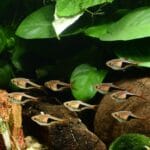
- Peaceful, fast-moving fish like Rasboras
Avoid:
- Other bettas
- Aggressive cichlids
- Fin-nipping fish
Because of their territorial nature, careful selection of tank mates is essential for successful giant betta fish care.
See more: Care Guide For Harlequin Rasbora
Giant Betta Fish Frequently Asked Questions (FAQ)
How Big Are Giant Betta Fish?
The average giant betta fish size ranges from 4 to 7 inches, depending on genetics, diet, and tank conditions. Proper feeding and clean water help them reach their full potential.
How To Identify Giant Betta Fish?
Giant Bettas are noticeably larger than regular bettas even at a young age. They have thicker bodies, larger heads, and stronger fins. When fully grown, their size is the easiest way to distinguish them from standard freshwater fish bettas.
Is Giant Betta Fish More Aggressive Than Regular Bettas?
No, Giant Bettas are not necessarily more aggressive, but their size makes them more dominant. Like all bettas, they are territorial and may show aggression toward similar-looking fish. Proper tank setup and space help reduce aggression and improve giant betta fish care outcomes.
Conclusion
The Giant Betta Fish is a stunning and unique addition to any aquarium, offering the beauty and personality of traditional bettas in a much larger form. With proper giant betta fish care, including a spacious tank, stable water parameters, and a protein-rich diet, these impressive freshwater fish can thrive and live a healthy life.Understanding their larger giant betta fish size, behavior, and environmental needs is key to success. When cared for correctly, Giant Bettas become vibrant, interactive centerpiece fish that bring both color and character to your aquarium for years to come.