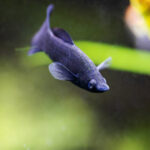
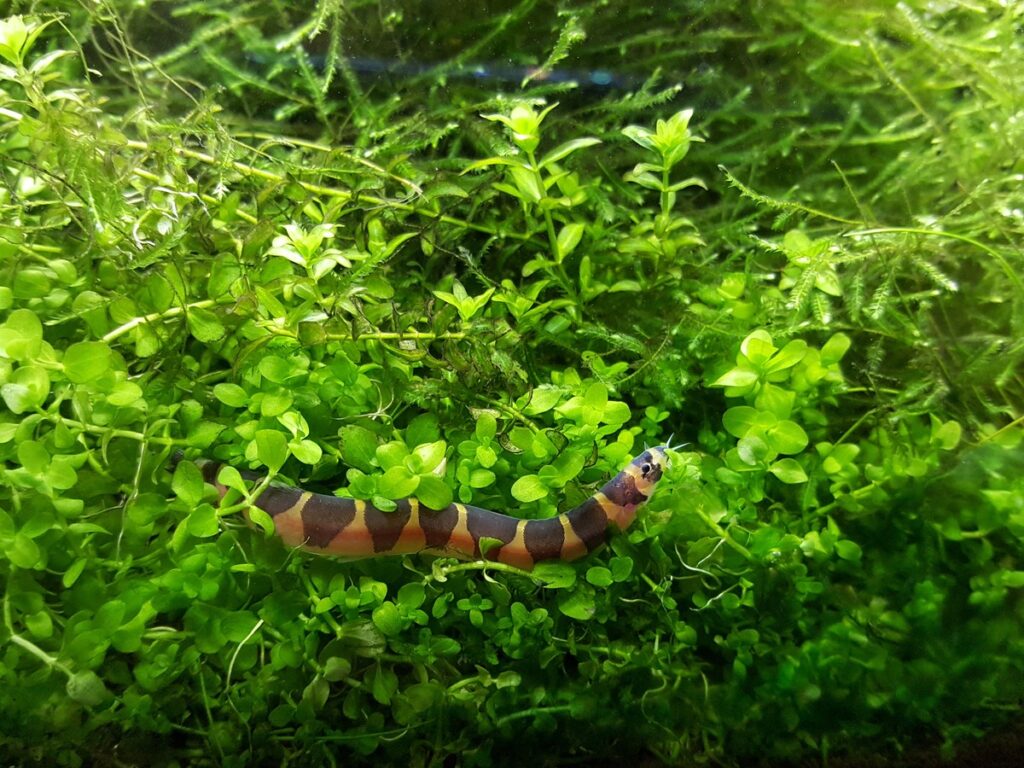
Loach fish are some of the most fascinating and personality-filled freshwater fish you can keep in an aquarium. Known for their eel-like bodies, playful behavior, and bottom-dwelling habits, loach fish are popular among both beginner and experienced aquarists. From the peaceful kuhli loach fish to the fast-moving hillstream loach, there are many loach fish types suited to different tank setups.
In this Loach Fish Care Guide of Aquarium Nerd, you’ll learn how to properly set up a tank, maintain ideal water parameters, feed loaches correctly, choose tank mates, and understand their lifespan so your loaches can thrive long term.
Loach Fish Tank Set Up
Tank Size
Tank size depends heavily on the species of loach you keep. Smaller loach fish such as kuhli loach fish can thrive in a 20-gallon tank, while larger or more active species require 30-55 gallons or more. Loaches are social fish, so extra space helps reduce stress and encourages natural group behavior.
Providing adequate tank size also improves water stability, which directly supports a longer loach fish lifespan.
Lighting
Most loach fish prefer low to moderate lighting. Bright lights can make them shy and cause them to hide constantly. Dim lighting or floating plants help create a more natural environment, especially for nocturnal species like kuhli loaches.
For hillstream loach tanks, moderate lighting is beneficial to promote algae growth on rocks, which they graze on naturally.
Filtration & Heater
- Filtration: Loaches are sensitive to poor water quality, so strong biological filtration is essential. Sponge filters, canister filters, or HOB filters with gentle flow work well.
- Heater: Most freshwater fish loaches prefer temperatures between 72-78°F (22-26°C).
For hillstream loach, cooler water (68-74°F) with high oxygen levels and strong water movement is required, mimicking fast-flowing streams.
Substrate
A soft sand substrate is highly recommended for all loach fish. Loaches love to dig and sift through the bottom, and rough gravel can damage their sensitive barbels. Sand allows natural behavior and prevents injuries, making it essential for proper loach fish care.
Loach Fish Water Parameters, Maintenance
Water Parameters
Stable water conditions are critical for healthy freshwater fish, especially loaches. Ideal parameters include:
- Temperature: 72-78°F (22-26°C)
- pH: 6.0-7.5
- GH: 5-12 dGH
- KH: 3-8 dKH
- Ammonia & Nitrite: 0 ppm
- Nitrate: < 20 ppm
Different loach fish types may prefer slightly different ranges, but stability is always more important than perfection.
Maintenance
- Perform 20-30% weekly water changes
- Vacuum the substrate gently to remove trapped food
- Rinse filter media in tank water only
- Maintain strong oxygenation
Clean, well-oxygenated water is one of the biggest factors influencing loach fish lifespan, which can range from 5 to over 10 years depending on species.
Plants, Hideouts, and Decorations
Aquatic Plants For Loach Fish
Live plants help loaches feel secure and improve water quality. Suitable plants include:
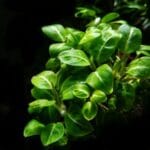
- Java Fern
- Anubias
- Cryptocoryne
- Vallisneria
- Java Moss
These plants tolerate low light and create shaded areas where loach fish feel comfortable resting during the day.
Loach Fish Hideouts and Caves
Hiding spaces are essential for loach fish, especially shy species. Add:
- Driftwood
- Smooth rocks
- Ceramic caves
- PVC pipes (hidden behind décor)
Loaches often pile together in caves, especially kuhli loach fish, which is completely normal behavior and a sign of comfort.
Loach Fish Foods, Feeding & Nutrition
What Do Loach Fish Eat?
Loach fish are omnivorous bottom feeders. In the wild, they eat insects, worms, algae, and organic debris. In aquariums, a balanced diet includes:
- Sinking pellets or wafers
- Frozen or live foods (bloodworms, brine shrimp, daphnia)
- Blanched vegetables (zucchini, spinach)
A varied diet keeps loaches active, healthy, and helps maximize loach fish lifespan.
Feeding Schedule
Feed loaches once daily, preferably in the evening when they are most active. In community tanks, make sure food reaches the bottom so loaches aren’t outcompeted by faster fish.
Feeding Tips
- Feed after lights go off for shy species
- Use sinking foods only
- Avoid overfeeding – loaches are prone to bloating
- Remove uneaten food to maintain water quality
Good nutrition is a core part of long-term loach fish care.
Loach Fish Tank Mates
Loach fish are peaceful and social freshwater fish. Good tank mates include:
- Tetras
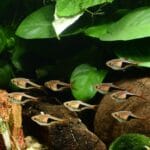
- Rasboras
- Corydoras Catfish
- Gouramis
- Peaceful barbs
Avoid aggressive fish like large cichlids or fin-nippers. Hillstream loach tank mates must also tolerate high oxygen and strong current.

Loach Fish Frequently Asked Questions (FAQ)
What Is A Loach Fish?
A loach fish is a bottom-dwelling freshwater fish known for its elongated body, playful behavior, and scavenging habits. There are many loach fish types, including kuhli loaches, clown loaches, and hillstream loaches, each with unique care requirements.
What Do A Loach Fish Eat?
Loach fish eat a mix of protein and plant matter. In aquariums, they thrive on sinking pellets, frozen foods, and vegetables. Proper feeding prevents malnutrition and supports a healthy loach fish lifespan.
How Long Do Loach Fish Live?
The average loach fish lifespan is 5-10 years, but some species, like clown loaches, can live over 15 years with excellent care. Clean water, proper diet, and stress-free environments greatly increase longevity.
Conclusion
Loach fish are unique, entertaining, and rewarding freshwater fish that bring life to the bottom of your aquarium. Whether you choose peaceful kuhli loach fish or fast-moving hillstream loach, understanding their specific needs is the key to success.By following this Loach Fish Care Guide – providing soft substrate, stable water parameters, proper diet, and plenty of hiding spaces – your loach fish will thrive, display natural behaviors, and enjoy a long, healthy loach fish lifespan.