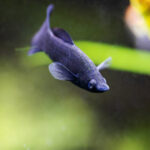
Molly fish (Poecilia sphenops and related species) are among the most popular freshwater fish for community aquariums. Loved for their peaceful nature, active swimming, and wide range of colors and fin shapes, mollies fish are an excellent choice for both beginners and experienced aquarists.
Whether you’re keeping classic black mollies, dalmatian mollies, or balloon varieties, this Molly fish care guide by Aquarium Nerd will walk you through everything you need to know – from tank setup and water parameters to feeding, tank mates, and long-term mollies care.
Molly Fish Tank Set Up

Tank Size
Molly fish are active swimmers and need space to move. A minimum 20-gallon tank is recommended for a small group of mollies. Larger tanks (30 gallons or more) are ideal if you plan to keep a community setup or multiple males and females.
Providing enough swimming space reduces stress, improves water stability, and helps extend the overall Molly fish lifespan.
Lighting
Mollies do best with moderate aquarium lighting. Standard LED lighting running for 6-8 hours per day is sufficient to support both fish activity and plant growth. Proper lighting also enhances the natural colors of mollies fish, making them more vibrant and active.
Avoid overly intense lighting, as it may increase algae growth and stress your fish.
Filtration & Heater
Clean water is essential for successful mollies care.
- Filtration: A sponge filter or hang-on-back (HOB) filter with moderate flow works well. Mollies enjoy gentle water movement but dislike strong currents.
- Heater: Maintain a stable temperature between 75-82°F (24-28°C).
Stable temperature and good filtration are key factors in keeping freshwater fish like mollies healthy and disease-free.
Substrate
Molly fish aren’t picky about substrate, but fine gravel or sand is ideal for planted tanks. A darker substrate often helps their colors stand out more vividly. If you plan to keep live plants, choose a substrate that supports root growth or supplement with root tabs.
Molly Fish Water Parameters, Maintenance
Water Parameters
Mollies are hardy, but they thrive best in stable, slightly alkaline water.
- Temperature: 75-82°F (24-28°C)
- pH: 7.5-8.5
- GH (General Hardness): 10-20 dGH
- KH (Carbonate Hardness): 8-12 dKH
- Ammonia & Nitrite: 0 ppm
- Nitrate: < 20 ppm
Mollies can tolerate slightly brackish conditions, but they also do very well in standard freshwater fish setups when parameters are stable.
Maintenance
- Perform 25-30% weekly water changes to maintain water quality.
- Vacuum the substrate to remove uneaten Molly fish food and waste.
- Clean filter media monthly using tank water to preserve beneficial bacteria.
Consistent maintenance helps prevent stress and disease, directly supporting a longer Molly fish lifespan, which averages 3-5 years under proper care.
Plants, Hideouts, and Decorations
Aquatic Plants For Molly Fish
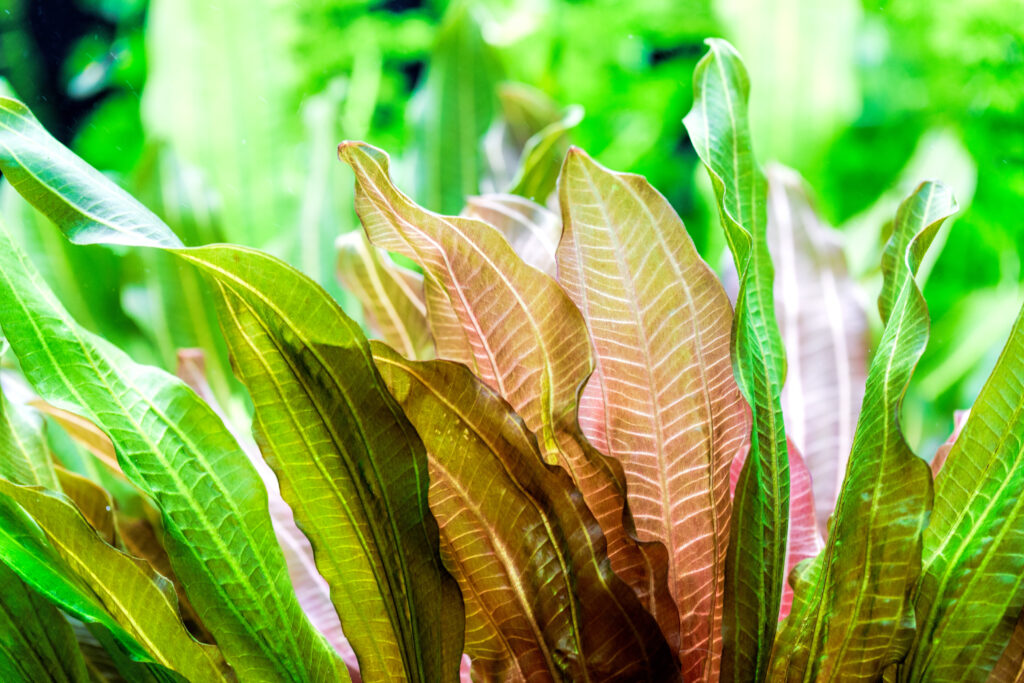
Live plants benefit mollies by improving water quality and providing shelter. Some excellent plant choices include:
- Java Fern
- Anubias
- Vallisneria
- Hornwort
- Water Wisteria
These hardy plants tolerate the same water conditions preferred by mollies fish and help create a more natural environment.
Molly Fish Hideouts and Caves
Although mollies are generally bold and active, they still appreciate hiding areas.
- Use driftwood, rock caves, and dense plants to create resting spots.
- Floating plants help diffuse light and reduce stress.
- Extra cover is especially important if fry are present, as adult mollies may eat their young.
Providing shelter improves comfort and reduces aggression within the group.
Molly Fish Foods, Feeding & Nutrition
What Do Molly Fish Eat?
Molly fish are omnivores and require a balanced diet for optimal health. A proper Molly fish food plan includes:
- High-quality flakes or pellets for tropical freshwater fish
- Vegetable-based foods such as spirulina flakes or blanched zucchini
- Protein treats like frozen brine shrimp, daphnia, or bloodworms
A varied diet supports digestion, color enhancement, and overall mollies care.
Feeding Schedule
Feed mollies 1-2 times per day, offering only what they can eat within 2-3 minutes. Overfeeding can lead to bloating and water quality issues, which shorten the Molly fish lifespan.
Feeding Tips
- Rotate food types to ensure balanced nutrition.
- Include plant-based foods regularly – mollies need fiber.
- Remove uneaten food promptly to avoid ammonia spikes.
Proper feeding habits are one of the most important aspects of long-term mollies care.
Molly Fish Tank Mates
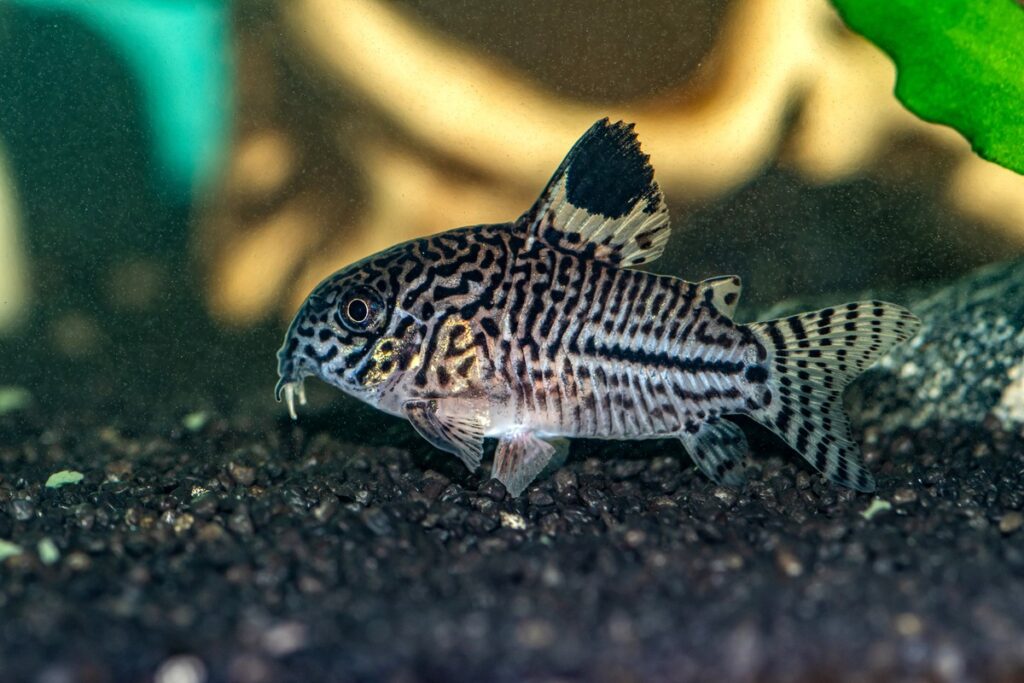
Mollies are peaceful freshwater fish and do well in community aquariums. Compatible tank mates include:
- Guppies, Platies, Swordtails
- Neon Tetras, Rasboras
- Cory Catfish
- Snails and peaceful shrimp
Avoid aggressive fish like large cichlids or fin-nipping species that may stress or injure mollies.
Molly Fish Frequently Asked Questions (FAQ)
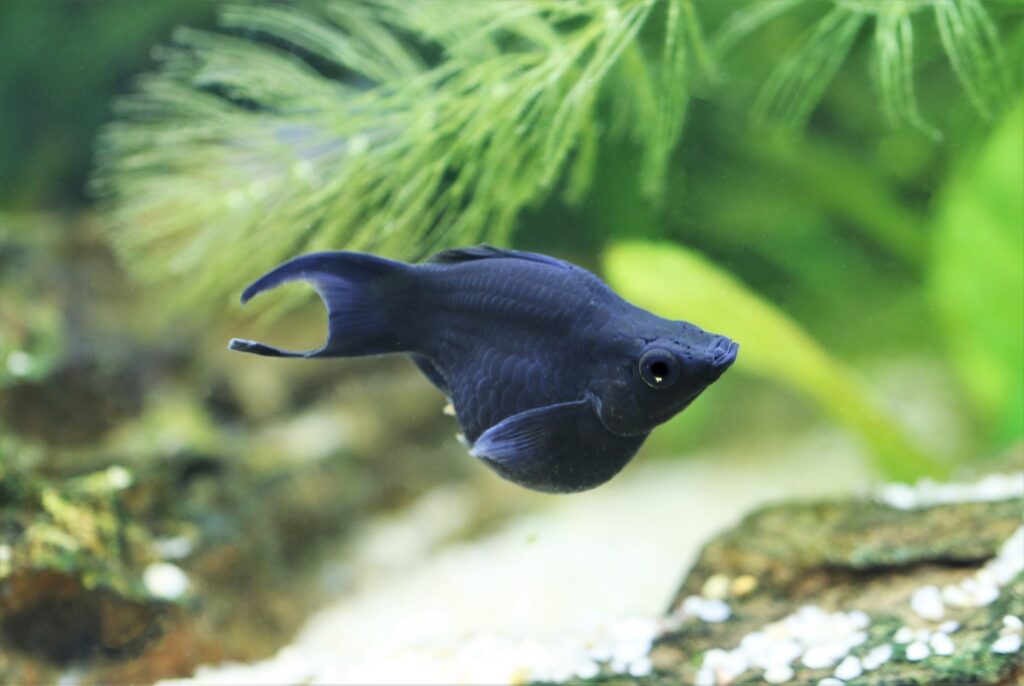
How Long Do Molly Fish Live?
With proper Molly fish care, mollies typically live 3-5 years. Clean water, stable temperature, and a balanced diet are the biggest factors influencing Molly fish lifespan. Some mollies may live longer in well-maintained aquariums.
Are Molly Fish Aggressive?
No, mollies are generally peaceful. However, males may occasionally chase females during breeding. Keeping a ratio of 1 male to 2-3 females helps reduce stress and unwanted aggression among mollies fish.
How many Molly Fish Should Be Kept Together?
Mollies are social fish and should be kept in groups of at least 3-5 individuals. Larger groups allow them to display natural behavior and reduce stress. More space and proper group balance are key elements of successful mollies care.
Conclusion
Mollies are hardy, colorful, and beginner-friendly freshwater fish that thrive in well-maintained aquariums. By following this Molly fish care guide, providing proper tank setup, stable water parameters, and a balanced Molly fish food diet, you can enjoy active and healthy fish for years.With consistent maintenance and thoughtful tank planning, mollies fish reward aquarists with vibrant colors, playful behavior, and a dependable Molly fish lifespan that makes them a perfect addition to any community tank..
See more: Best Freshwater Fish For Beginners