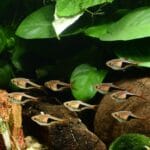
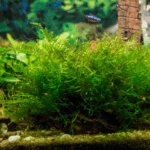
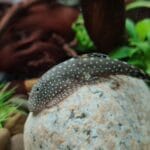
Setting up an aquarium tank for Neocaridina Shrimp isn’t as hard as you think but it can be easy if you have the right care guide for you. Freshwater Shrimps are a great choice for beginners, as well the experienced keepers, cause the benefits they bring to your aquarium’s ecosystem and their color will draw “an amazing tank”. In this Neocaridina shrimp care guide, we will help you to know everything to set up a healthy, stable environment for your shrimp and avoid common beginner mistakes. Come with us now!
1. Neocaridina Shrimp Tank Set Up

Tank Size
Starting with a 5-gallon tank is not a bad idea, but if you have more shrimps, you will need a bigger one because shrimp colonies will grow quickly, so having more space will make your tank’s water condition stable and healthy. And remember a rectangular tank gives more surface area and oxygen exchange.
Lighting
Neocaridina shrimp don’t need intense lighting. Use low to moderate LED aquarium lights set for about 6–8 hours daily. Too much light can cause unwanted algae growth, so keep things gentle and simple.
Filtration & Heater
Must use a sponge filter or hang-on-back filter with an intake guard to prevent your shrimp from being stuck in it. Neocaridina Shrimp love a stable temperature between 68-78°F (20-25°C), you will add a heater if your place temperature is unstable.
Substrate
Choose a fine-grained, safe for shrimp substrate, better if the substrate has dark color, such as black sand or fine gravel. A dark substrate enhances shrimp color, reduces stress, and provides a natural, comfortable environment.
2. Neocaridina Shrimp Water Parameters, Maintenance
Water Parameters
- Temperature: 68 – 78°F (20 – 25°C). Avoid sudden changes cause it will cause shrimp stress or maybe death.
- pH Level: Between 6.5 – 7.5
- Water Hardness (GH): 6 – 12 dGH. Supports molting and healthy shell growth.
- Carbonate Hardness (KH): 1 – 8 dKH. Helps stabilize your pH.
- Ammonia & Nitrite: Always 0 ppm. Shrimp are highly sensitive to these.
- Nitrate: Keep low (under 20 ppm). Regular water changes help manage this.
Maintenance
Weekly:
- Change 10–20% of tank water weekly to maintain water quality.
- Use a quality water conditioner to remove chlorine and detoxify heavy metals from new tap water.
Monthly:
- Clean your filtration such as sponge filter, filter media,… please don’t use tap water cause it kills beneficial bacteria.
- Test water parameters monthly (or weekly if possible) to ensure conditions remain stable.
General Tips:
- Avoid overfeeding to reduce waste buildup.
- Remove uneaten food and debris regularly to maintain cleanliness.
- Keep a consistent maintenance schedule to reduce stress and encourage healthy shrimp behavior.
3. Plants, Hideouts, and Decorations
To keep your Neocaridina Shrimp happy and healthy, creating a safe, natural environment for them is important. And aquatic plants, hideouts and decorations will be a part of creating the environment to keep your shrimp thrive and feel relaxed.
Aquatic Plants For Neocaridina Shrimp
Live plants provide essential cover, reduce stress, and offer a constant food source by growing biofilm that shrimp love to graze on. Here are some shrimp-approved aquatic plants:
- Java Moss: Great for baby shrimp to hide and adults to graze.
- Anubias: Hardy and easy to care for; provides broad leaves for resting.
- Java Fern: Low maintenance and offers plenty of hiding spots.
- Marimo Moss Balls: Provide excellent grazing areas and absorb nitrates.
- Hornwort and Water Wisteria: Fast-growing plants that help maintain water quality.

Neocaridina Shrimp Hideouts and Caves
Shrimp are most comfortable when they have safe places to retreat, especially during molting or when they feel threatened. Include shrimp-friendly hideouts like:
- Shrimp caves and ceramic tubes: Small, smooth, and specifically made for shrimp.
- Driftwood: Provides shelter, natural grazing surfaces, and enhances water quality.
- Smooth rocks or slate: Great natural hiding spots and adding visual interest.
- Leaf litter (like Indian Almond Leaves): More hiding spots, helps relax, and provides a food source by biofilm growth.
Decoration Layout Tips for Neocaridina Shrimp Tank
Decorating your aquarium can greatly improve your shrimp’s health and viewing enjoyment:
- Provide Dense Cover: Place plants and decorations throughout the tank, creating more hiding spots at more places for your shrimp.
- Balance Open Space: Maintain clear areas to feed them and observation while still offering ample shelter.
- Place Taller Plants at the Back: Tall plants like Java Fern and Water Wisteria should be in the background, shorter plants like Mosses and Anubias in the middle and front.
- Avoid Sharp Edges: Choose decorations carefully cause sharp edges can harm shrimp. Opt for smooth surfaces and rounded decoration whenever possible.

4. Neocaridina Shrimp Foods, Feeding & Nutrition
Feeding your Neocaridina shrimp the right diet is a part of keeping their health, color, and breeding success. And feeding them isn’t hard as you think.
What Do Neocaridina Shrimp Eat
Neocaridina shrimp are omnivores and natural scavengers. Feeding them is easy cause they have a varied diet, including:
- Shrimp-specific pellets and wafers: Packed with protein, minerals, and calcium for healthy shells.
- Algae wafers: Excellent source of plant-based nutrition.
- Blanched vegetables: Zucchini, spinach, cucumber, and kale (boiled briefly, cooled, and served).
- Biofilm and algae: Naturally present in planted tanks, these are excellent continuous food sources.
- Occasional protein treats: Frozen or freeze-dried bloodworms, daphnia, or brine shrimp (only once a week).
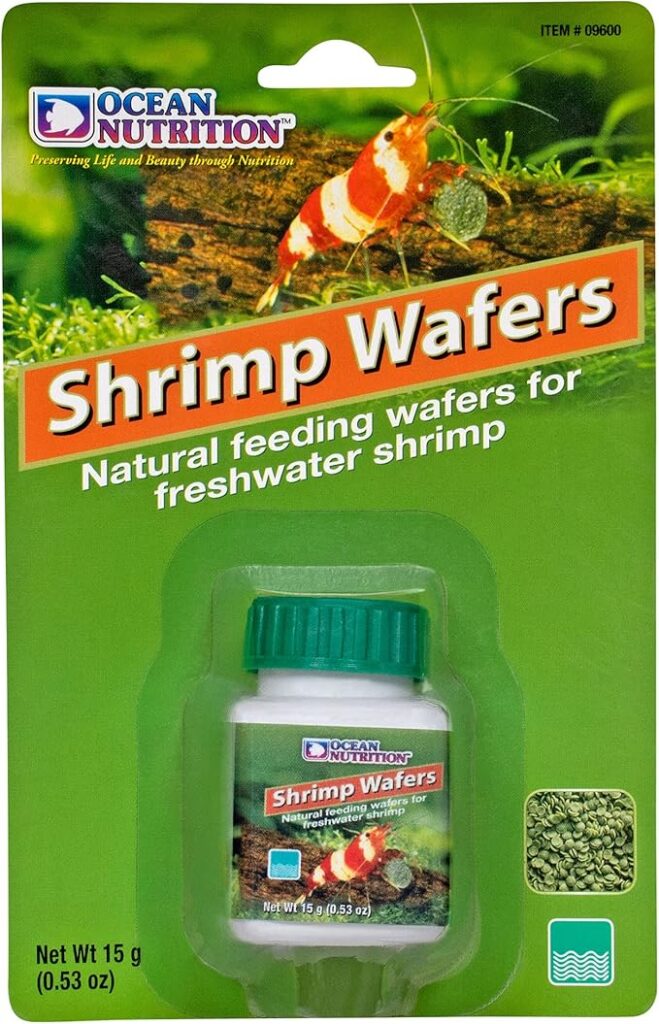
Feeding Schedule
- Daily or Every Other Day: Feed small amounts of shrimp-specific pellets, wafers, or veggies. Remove leftovers after 2–3 hours to maintain water quality.
- Once a Week: Feed rich protein food like frozen bloodworms or brine shrimp to encourage them breed and enhance coloration.
- Keep It Small: Feed small food that your shrimp can eat in a few hours to avoid waste food.
Feeding Tips
- Don’t Overfeed: Shrimp are tiny and efficient scavengers; small food is better for them.
Remove Uneaten Food: Clear out leftover food to prevent ammonia spikes and harm water quality. - Offer Calcium: Occasionally provide calcium-rich foods (cuttlebone or mineral blocks) to help shrimp maintain strong, healthy shells.
- Rotate Foods: A varied food helps shrimp stay healthier and more colorful.
5. Neocaridina Shrimp Beginner’s Common Mistakes
Not Cycling the Tank
Many beginners add shrimp quickly before the aquarium is fully cycled that could make their shrimp dead quickly due to high ammonia and nitrite levels. Always cycle your tank for 4–6 weeks before adding shrimp.
Unstable Water Conditions
Shrimp thrive well on stable water parameters. Rapid changes in temperature, pH, or hardness can stress or kill shrimp. Keep conditions consistent and test water parameters regularly.
Using Unsafe Tank Mates
Adding aggressive or shrimp-eating fish (like cichlids or certain loaches) often ends poorly. Only select peaceful, shrimp-safe companions like snails, small fish (e.g., neon tetras), or other peaceful shrimp.
Ignoring Calcium and Mineral Needs
Shrimp need minerals like calcium to keep shells strong and have successful molting. Not providing calcium can result in weak shells, failed molting, and shrimp loss.
Too Few Hiding Spots
Shrimp require safe, stress-free hiding places, especially when molting. Tanks without plants, caves, or decor can stress shrimp, impacting health and breeding success.
Poor Tank Maintenance
Infrequent water changes, dirty filters, and debris create an unhealthy environment. Regular small water changes and tank cleanings keep shrimp healthy.
Conclusion of Neocaridina Shrimp Care Guide
Keeping shrimp especially Neocaridina shrimp, is an interesting hobby – even for beginners. This helpful Neocaridina Shrimp care guide will help you much of knowing water condition, feeding and creating natural environment, and you will dive into your shrimp tank. Remember, the key to success is consistency and gentle care. Happy shrimp keeping!