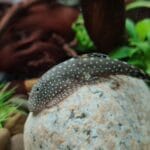
The Cory Catfish (Corydoras spp.) is one of the most popular bottom-dwelling freshwater fish in the aquarium hobby. Known for their peaceful nature, cute whiskers, and social behavior, Corys are excellent tank mates for nearly any community aquarium. Whether you’re caring for Albino Cory Catfish, Panda Cory Catfish, or other species, understanding proper Cory Catfish care ensures your fish live long, healthy, and active lives.
In this Cory Catfish Care Guide, Aquarium Nerd will explore everything from tank setup and diet to water parameters and tank mates to help you maintain a thriving, balanced aquarium.

Cory Catfish Tank Set Up
Tank Size
Corydoras are small, social fish that thrive in groups. A minimum 20-gallon tank is recommended for a group of 5-6 Corys. Larger tanks (30+ gallons) are ideal if you plan to mix multiple freshwater fish species or keep different Cory varieties like Albino Cory Catfish and Panda Cory Catfish together.
Lighting
Corys prefer dim to moderate lighting. Too-bright lights can stress them out, especially since they spend most of their time at the bottom. Use adjustable LED lights and consider adding floating plants to diffuse the brightness.
Filtration & Heater
- Filtration: A sponge filter or hang-on-back (HOB) filter with a gentle flow is ideal. Corys dislike strong currents.
- Heater: Keep temperatures between 72-78°F (22-26°C). Stable, warm conditions promote good health and longer Cory Catfish lifespan.
- Aeration: Add an air stone or gentle bubble wand for oxygen circulation. Corys often gulp air from the surface – this is normal behavior.
Substrate
A soft sand substrate is best for Corydoras Catfish. Their sensitive barbels can be injured by rough gravel, leading to infections. Sand also allows them to exhibit their natural behavior of “sifting” through the substrate for leftover food.
Cory Catfish Water Parameters, Maintenance
Water Parameters
Corys are hardy, but they thrive best in clean, stable water.
- Temperature: 72-78°F (22-26°C)
- pH: 6.5-7.5
- GH (General Hardness): 3-10 dGH
- KH (Carbonate Hardness): 2-6 dKH
- Ammonia/Nitrite: 0 ppm
- Nitrate: < 20 ppm
Maintaining consistent water quality is crucial to extending Cory Catfish lifespan, which typically ranges from 5-10 years under proper care.
Maintenance
- Perform 25-30% water changes weekly.
- Use a gravel vacuum to remove leftover food from the substrate.
- Rinse filter media monthly in tank water to preserve beneficial bacteria.
- Avoid sudden temperature or pH swings – Corys are sensitive to rapid changes.
Good Cory Catfish care starts with consistency in water quality and regular cleaning routines.
Plants, Hideouts, and Decorations
Aquatic Plants For Cory Catfish
Live plants are highly beneficial for Cory tanks. They improve water quality and create natural grazing areas. Great plant options include:
- Anubias: Hardy, low-light plant that attaches to driftwood and rocks.
- Java Fern: Perfect for shaded bottom areas; Corys love resting under its leaves.
- Amazon Sword: Classic broad-leaved plant that provides shelter and shade.
- Cryptocoryne: Compact, easy to grow, and great for mid-ground cover.
These plants not only beautify your tank but also mimic the Cory’s natural habitat, providing comfort and security.
Cory Catfish Hideouts and Caves
Corys appreciate resting spots and hiding places to feel secure.
- Add driftwood, smooth stones, and ceramic caves.
- Create shaded areas using plants or rock formations.
- Avoid sharp decorations that could damage their delicate barbels.
Providing plenty of cover encourages natural group behavior and reduces stress in your freshwater fish community.
Cory Catfish Foods, Feeding & Nutrition
What Do Cory Catfish Eat?
Cory Catfish are omnivorous scavengers that feed at the bottom. While they eat leftover food, they still need a balanced diet. Ideal Corydoras Catfish foods include:
- Sinking pellets or wafers designed for bottom feeders.
- Frozen or live foods: Bloodworms, daphnia, brine shrimp.
- Vegetable matter: Blanched spinach or zucchini for fiber.
For variety, you can feed specialty sinking pellets formulated for Albino Cory Catfish or Panda Cory Catfish to enhance their color and activity.
Feeding Schedule
Feed your Corys once or twice daily, preferably after feeding top-dwelling fish. Only give what they can finish in 3-5 minutes. Overfeeding can foul the substrate and stress your fish.
Feeding Tips
- Drop sinking pellets evenly across the tank to reach all Corys.
- Mix protein and plant-based foods throughout the week.
- Supplement with live or frozen foods twice weekly for extra nutrition.
Balanced feeding ensures optimal health, bright coloration, and a long Cory Catfish lifespan.
Cory Catfish Tank Mates
Corys are among the most peaceful freshwater fish, making them perfect for community aquariums. Compatible tank mates include:
- Neon Tetras, Ember Tetras, Rasboras
- Guppies, Mollies, Swordtails
- Otocinclus Catfish, Snails, and Shrimp
Avoid keeping them with aggressive species like large Cichlids, Barbs, or Bettas that may nip at their fins. Corys thrive best in calm, cooperative environments.

Cory Catfish Frequently Asked Questions (FAQ)
Will Cory Catfish Eat Algae?
Cory Catfish may occasionally graze on soft algae or biofilm that grows on the substrate and decorations, but they are not considered true algae eaters. Unlike species such as Otocinclus Catfish or Nerite Snails, Corys won’t significantly reduce algae in your tank.
Instead, their main role in the aquarium is as scavengers – cleaning up leftover food, decaying plant matter, and organic waste that other freshwater fish leave behind. While this helps keep the tank tidy, relying on them for algae control isn’t effective. For best results, pair your Corydoras Catfish with dedicated algae-eating tank mates while keeping the tank clean through regular maintenance.
How Big Do Cory Catfish Get?
The average Corydoras Catfish grows between 2.5 and 3 inches (6-7.5 cm) long, though some species can be slightly smaller or larger depending on genetics and care. For example, Panda Cory Catfish typically stay around 2 inches, while Albino Cory Catfish can grow closer to 3 inches.
Their size can also depend on environmental factors. Clean water, stable temperature, and a protein-rich diet encourage healthy growth. Overcrowding or poor water quality may stunt development and weaken their immune system. Because of their small size and peaceful behavior, Corys are perfect for planted community tanks and nano aquariums when kept in proper groups.
How Long Do Cory Catfish Live?
With proper Cory Catfish care, these hardy freshwater fish can live between 5 to 10 years, and sometimes even longer in ideal conditions. Their lifespan depends heavily on water quality, diet, and tank stability. In clean, well-maintained aquariums, Corys tend to be extremely resilient and active throughout their lives.
To maximize your Cory Catfish lifespan, focus on stable water parameters, soft sand substrate (to protect their sensitive barbels), and a nutritious diet that includes sinking pellets and occasional live or frozen foods. Keeping them in social groups of 5-6 or more also helps reduce stress, which contributes to better long-term health and longevity.
How Many Cory Catfish Should Be Kept Together?
Cory Catfish are social creatures that naturally form shoals in the wild. They are happiest when kept in groups of at least 5-6 individuals, though larger groups of 8-10 are even better if your tank allows it. Living in groups helps them display natural schooling behaviors – exploring, resting, and feeding together – which you won’t see if they’re kept alone.
Isolated Corys often become shy or inactive, hiding most of the time. In contrast, a healthy group of Corydoras Catfish will constantly sift through the sand, interact playfully, and move around as a team. Whether you keep Albino Cory Catfish, Panda Cory Catfish, or other varieties, maintaining a group ensures your fish stay social, stress-free, and healthy for years.
Conclusion
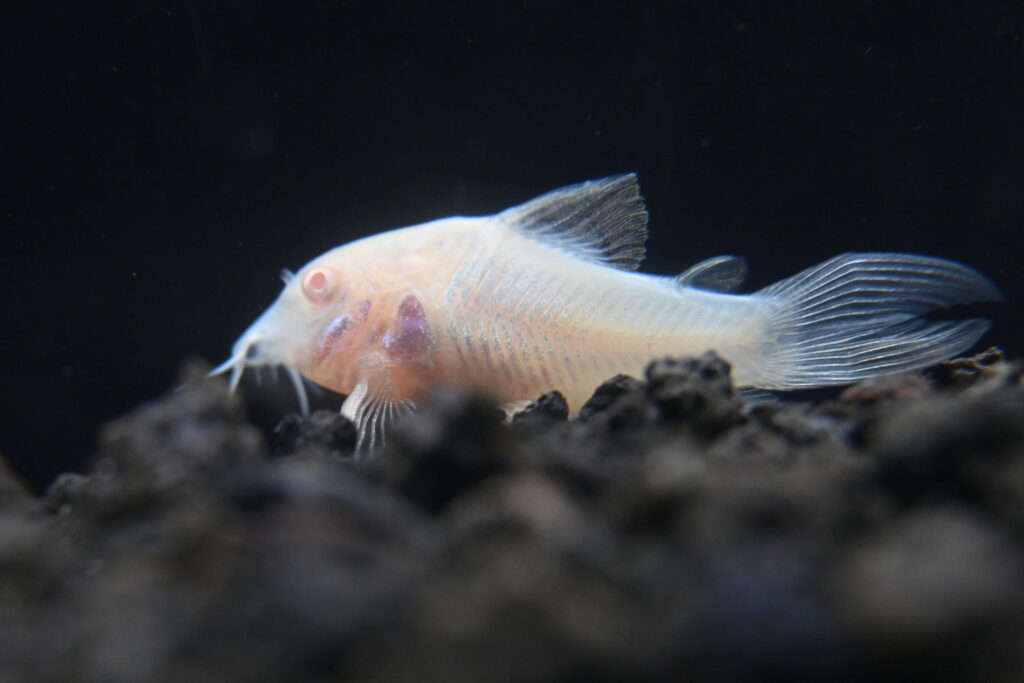
Cory Catfish are peaceful, hardy, and entertaining freshwater fish that bring life to the lower levels of your aquarium. Whether you keep Albino Cory Catfish, Panda Cory Catfish, or other varieties, proper Cory Catfish care will reward you with years of lively activity and charm.By following this Cory Catfish Care Guide – setting up a soft, clean environment, feeding a balanced diet, and maintaining stable water – your Corys will thrive, showing their best colors and personalities for many years to come.