Choosing the amazing freshwater shrimp for you is just a first step on the road to becoming a shrimp keeper, and the next step is how to keep your Caridina Shrimps healthy. If you don’t have any guide from any expert, Aquarium Nerd will be by your side to help you. Now we will dive in this Caridina Shrimp Care Guide.
1. Caridina Shrimp Tank Set Up
Tank Size
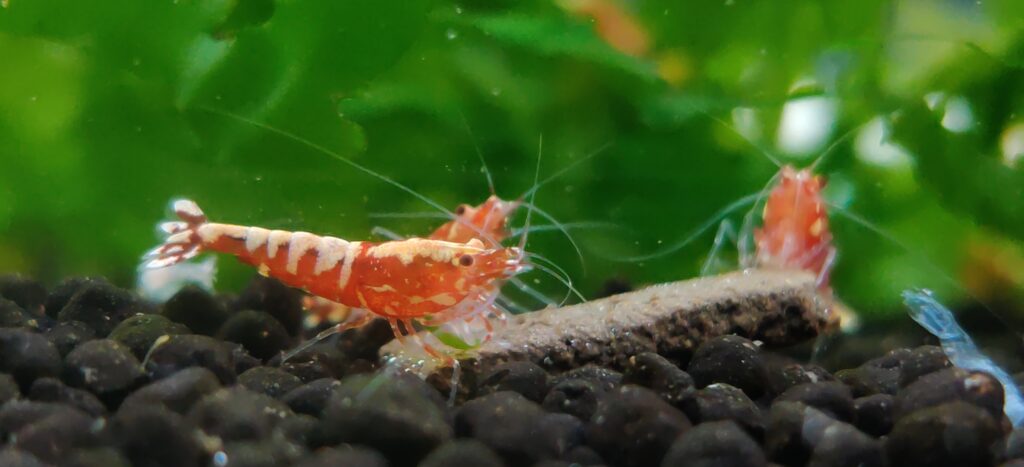
We highly recommend a 10-gallon tank for Caridina Shrimp, but before that i want to tell you that a 5-gallon tank is also fine for a small group but Caridina shrimp are sensitive to water changes, so a larger tank provides better stability, especially as your colony grows. So the size of your shrimp tank depends on the size of your shrimp.
Lightning
Caridina shrimp do not require strong lighting. Low to moderate LED lighting (around 6–8 hours per day) is enough. Opening the light too much can make algae blooms over your tank. However, moderate light is also helpful for your live plants, which are beneficial for Caridina shrimp because they provide shelter and surfaces for biofilm to grow – a natural food source.
Filtration & Heater
Use a sponge filter or a gentle hang-on-back (HOB) filter with an intake sponge guard to prevent shrimp, especially babies, from being sucked in. Caridina shrimp need very clean, stable water, and a good filter helps maintain this.
As for temperature, Caridina shrimp prefer cooler, stable waters between 68–74°F (20–23°C). If your room temperature fluctuates, installing a reliable aquarium heater is a smart move to avoid stressing them with sudden drops.
Substrate
Caridina shrimp thrive well in soft, slightly acidic water, so using an active substrate (like ADA Amazonia or Brightwell Rio Escuro) helps buffer the pH and reduce hardness. A dark-colored, fine-grained substrate such as black sand or enriched shrimp soil is great for Caridina Shrimp cause it will make your shrimp color very impressive.
2. Caridina Shrimp Water Parameters, Maintenance
Water Parameters
- Temperature: 68 – 78°F (20 – 25°C). Avoid sudden changes cause it will cause shrimp stress or maybe death.
- pH Level: Between 6.0 – 6.8
- Water Hardness (GH): 4 – 6 dGH.
- Carbonate Hardness (KH): 0 – 2 dKH. Helps stabilize your pH.
- Ammonia & Nitrite: Always 0 ppm. Shrimp are highly sensitive to these.
- Nitrate: Keep low (under 20 ppm). Regular water changes help manage this.
Maintenance
Weekly:
- Change 10–20% of tank water weekly to maintain water quality.
- Use a quality water conditioner to neutralize chlorine and heavy metals.
- Cleaning substrate by vacumm and removing uneaten food or visible waste.
Monthly:
- Clean your filtration such as sponge filter, filter media,… please don’t use tap water cause it kills beneficial bacteria.
- Test your water parameters to make sure everything is still in range.
General Tips:
- Avoid overfeeding to reduce waste will make your tank dirty.
- Maintain a consistent cleaning schedule to prevent parameter swings.
3. Plants, Hideouts, and Decorations
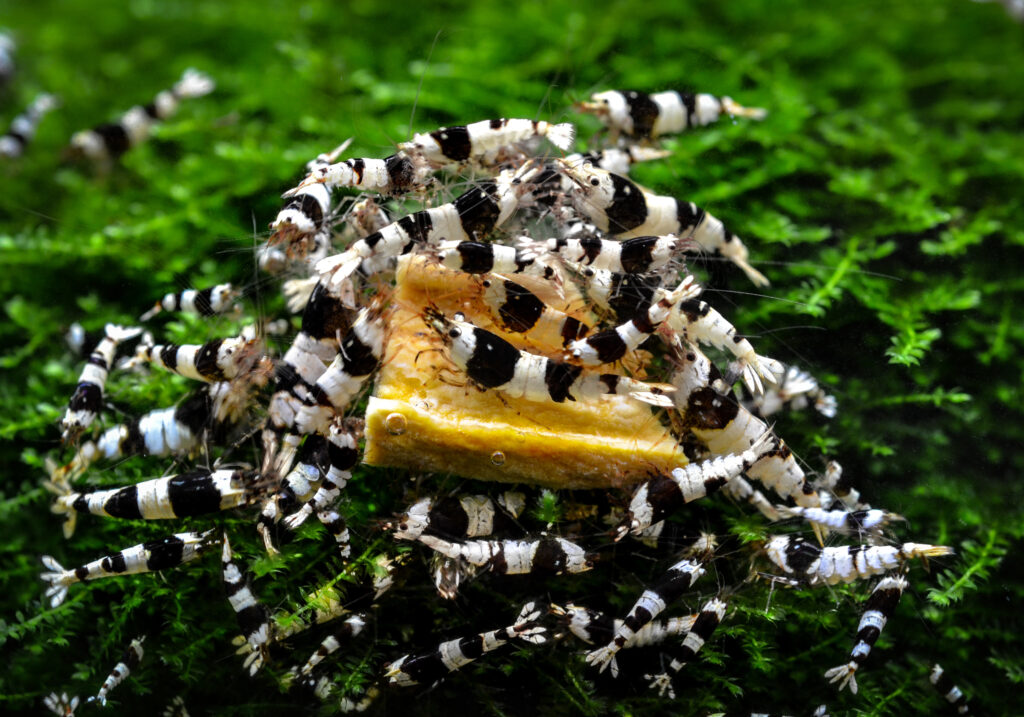
Creating a natural habitat to keep your Caridina Shrimp happy and healthy is also important. And aquatic plants, hideouts, and decorations will be a part of creating the habitat to keep your shrimp thriving and feel relaxed.
Aquatic Plants For Caridina Shrimp
Live plants help stabilize your water parameters and grow biofilm to offer a constant food cause Caridina Shrimp will love that. Here are some recommended aquatic plants:
- Java Moss: Provides cover for baby shrimp and biofilm grazing for all sizes.
- Anubias Nana: Easy for beginners and provides a lot of space for resting.
- Bucephalandra: Similar to Anubias, but with more color variety and texture.
- Marimo Moss Balls: Great for grazing, biofilm growth, and absorbing excess nutrients like nitrates.
- Floating Plants (e.g., Salvinia or Frogbit): Help diffuse light and absorb waste, great for stability.
Caridina Shrimp Hideouts and Caves
Caridina Shrimp are most comfortable when they have safe places to relax, especially during molting or when they feel threatened. Include shrimp-friendly hideouts like:
- Shrimp caves and ceramic tubes: Specially designed for dwarf shrimp; small, smooth, and stackable.
- Driftwood (Cholla Wood, Spider Wood): Offers surface area for biofilm and safe zones for shrimp to rest.
- Smooth rocks or natural slate: Great for building custom hideouts or adding visual structure.
- Leaf litter (Indian Almond Leaves, Guava Leaves): Not only offer hiding spots, but release tannins and grow microflora your shrimp will feed on.
Decoration Layout Tips for Caridina Shrimp Tank
Decorating with shrimp in mind makes your tank both beautiful and functional. Here’s how to set up a Caridina-safe layout:
- Provide Dense Cover: Mix mosses, stem plants, and caves throughout the tank to ensure shrimp feel secure at all levels.
- Balance Open Space: Keep clear zones for feeding and observing shrimp behavior without overcrowding the tank.
- Use a Layered Approach: Place tall plants like Water Wisteria or Buce in the background, and foreground mosses or Anubias up front.
- Avoid Sharp Edges: Stay away from sharp or rough decorations. Choose items with smooth finishes to protect shrimp during molting.
4. Caridina Shrimp Foods, Feeding & Nutrition
Feeding your Caridina shrimp the right diet is key to maintaining their health, vibrant colors, and breeding success. While they are a bit more sensitive than Neocaridina, feeding them isn’t difficult once you know what they need and how to feed them properly.
What Do Caridina Shrimp Eat
Caridina shrimp are omnivorous scavengers, and in a well-established tank, they’ll spend much of their day grazing on biofilm and detritus. But to keep them at their best, you’ll want to supplement their natural foraging with a balanced, shrimp-safe diet.
Here’s what to feed your Caridina shrimp:
- Shrimp-specific pellets and wafers: Formulated for dwarf shrimp, these include essential protein, calcium, and minerals for shell development and molting.
- Algae wafers: Offer valuable plant-based nutrition and encourage natural foraging behavior.
- Blanched vegetables: Zucchini, spinach, kale, and cucumber are great natural treats
- Biofilm and algae: Naturally grow on plants, wood, and decorations; an ongoing and essential food source.
- Occasional protein treats: Offer frozen or freeze-dried daphnia, brine shrimp, or bloodworms once a week to boost color and breeding activity.
Feeding Schedule
- Daily or Every Other Day: Small portions of shrimp pellets, algae wafers, or blanched vegetables.
- Once a Week: Protein-rich treats like frozen bloodworms or brine shrimp to promote breeding.
- Important: Remove uneaten food within 2–3 hours to prevent water quality issues.
Feeding Tips
- Don’t Overfeed: Caridina shrimp eat very slowly. It’s better to underfeed than overfeed in a sensitive tank.
- Clear Uneaten Food: Leftovers can quickly foul the water and lead to ammonia spikes.
- Offer Calcium-Rich Foods: Crushed cuttlebone or shrimp mineral blocks help with molting and healthy exoskeletons.
- Rotate Their Diet: Just like us, shrimp benefit from food variety to support digestion, coloration, and immune health.
5. Caridina Shrimp Beginner’s Common Mistakes
Skipping the Tank Cycle
Adding shrimp to an uncycled tank can lead to sudden ammonia or nitrite spikes, which are deadly to Caridina shrimp. Always fully cycle your aquarium before introducing shrimp to ensure a safe and stable environment.
Using Tap Water Without Testing
Tap water often contains chlorine, chloramine, and excess minerals that are harmful to sensitive shrimp. Always use remineralized RO water or dechlorinated water with stable parameters that match Caridina shrimp’s needs.
Overfeeding
Feeding too often or too much can quickly foul the water and create ammonia spikes. Feed a small amount every other day and remove leftovers after 2–3 hours to keep the tank clean and healthy.
Cleaning Filters with Tap Water
Washing sponge filters or bio media in tap water destroys beneficial bacteria, disrupting the nitrogen cycle. Always rinse filters gently in old tank water during water changes to preserve your shrimp’s biological support system.
Conclusion
Caridina Shrimp may be delicate, but with the right setup, stable water parameters, and proper diet, they can thrive, breed, and add incredible beauty to your aquarium. From choosing the right substrate and plants to maintaining clean water and avoiding beginner mistakes, every detail matters when caring for these sensitive shrimp.